
If you’re searching for fresh inspiration in Latin American street food, you’re likely craving more than just recipes—you want the stories, flavors, and kitchen secrets that make these dishes unforgettable. This article dives into the vibrant world of sizzling grills, bold spices, and time-honored techniques that define the streets of Latin America, while showing you how to recreate those flavors at home with confidence.
We explore emerging flavor trends, essential ingredients, and practical kitchen hacks that bring authenticity to your table without overcomplicating the process. From bean-based innovations to global street food influences shaping modern menus, you’ll discover what’s driving today’s culinary buzz.
To ensure accuracy and depth, we’ve analyzed current food trend reports, studied traditional preparation methods, and referenced insights from experienced chefs who specialize in regional cuisine. The result is a practical, flavor-forward guide designed to help you cook smarter, experiment boldly, and truly understand what makes these street foods so iconic.
There’s a story on every corner of South America, told in sizzling pans and paper wrappers. This guide is your passport to tasting it.
Street stalls can feel CHAOTIC, and I’ll admit it’s sometimes hard to know which line hides greatness. Locals debate best arepa in Bogotá or anticucho in Lima, and honestly, I’m not sure there’s one right answer.
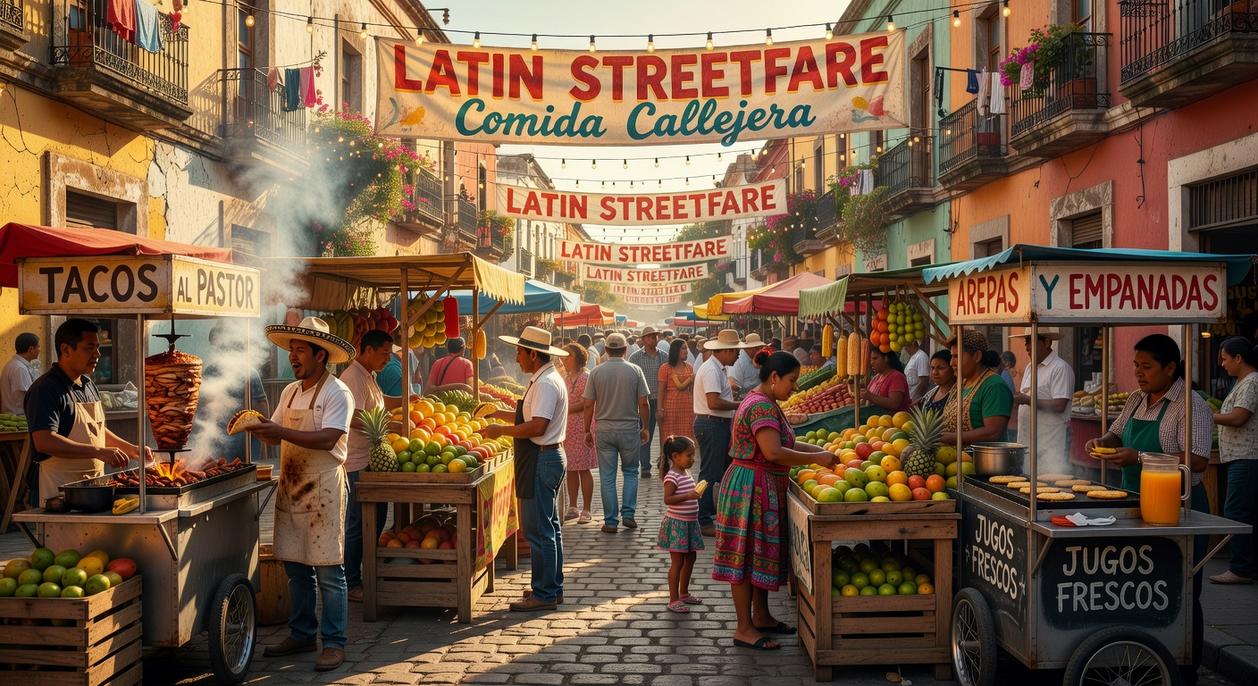
Still, certain clues help: watch for long queues, fast turnover, and recipes grilled to order. Vendors serving Latin American street food often specialize, perfecting a single dish for years (a delicious obsession).
Start with what smells irresistible, then follow curiosity.
Bogotá, Colombia: The Corn-Crafted Comfort of Arepas
As you savor the vibrant flavors of street food favorites from Latin America, you might also find yourself intrigued by the enticing world of brunch, which celebrates a delightful fusion of breakfast and lunch—explore more about this culinary trend in our article ‘What Is Brunch Fhthfoodcult.’
First, let’s break it down. An arepa is a thick cornmeal patty—grilled or fried—crisp outside, tender inside, and woven into daily life in Bogotá. The Arepa de Choclo uses sweet corn (choclo means fresh, tender corn), giving it a golden hue and faint sugary aroma. By contrast, the Arepa con Queso leans savory, often stuffed or topped with fresh white cheese that melts into salty ribbons. Think of it as Colombia’s answer to comfort food—simple, handheld, endlessly adaptable.
Bite in and you’ll notice the contrast: caramelized edges that crackle softly, a steamy, buttery center, and cheese that stretches in glossy strands. Some argue arepas are too plain compared to flashier Latin American street food. Fair point—there’s no towering stack of toppings here. Yet that restraint is the magic. The corn’s sweetness or savoriness takes center stage, balanced by creamy, slightly tangy queso.
Meanwhile, step onto a Bogotá sidewalk at dawn or after midnight. You’ll hear charcoal popping, smell toasted corn, and see vendors flipping arepas on metal griddles attached to mobile carts.
Kitchen hack: use masarepa (pre-cooked cornmeal) for the authentic fluffy interior—regular cornmeal won’t deliver the same tender crumb.
Lima, Peru: The Bold, Fiery Heart of Anticuchos
Anticuchos are marinated, skewered, and flame-grilled beef heart—yes, heart. If that makes you pause, you’re not alone. But one bite explains why this dish has been cherished in Lima for centuries (and why locals line up for it after dark).
The magic starts with the marinade. Ají panca—a smoky, deep-red Peruvian chili—blends with vinegar, garlic, and cumin to create a savory, slightly spicy profile with subtle sweetness. Ají panca is a single-origin chili, meaning it’s tied to a specific region and flavor identity, much like Champagne in France. That specificity is why chefs worldwide are spotlighting bold chilies for authentic depth (National Geographic notes Peru’s peppers as central to its culinary rise).
Rooted in Afro-Peruvian culture during the colonial era, anticuchos transformed humble cuts into iconic Latin American street food. Traditionally, they’re served with grilled potato and choclo (large-kernel Andean corn).
Want to try making them?
• Marinate sliced beef heart overnight for tenderness.
• Soak wooden skewers to prevent burning.
• Grill over high heat for a smoky char (think backyard barbecue, but Lima-style).
Skeptics argue organ meats are too intense. Yet prepared correctly, anticuchos are surprisingly tender and flavorful—proof that bold ingredients, handled well, win hearts.
For more global culinary insights, explore the essentials of authentic italian regional dishes.
Buenos Aires, Argentina: The Perfect Simplicity of Choripán
So, what is choripán? At its core, it’s beautifully straightforward: a grilled chorizo sausage tucked into a crusty bread roll. That’s it. No towering toppings. No architectural balancing act. Just smoke, bread, and sausage in perfect harmony.
But then—there’s the sauce.
“The chimichurri is everything,” a vendor once told me, waving a spoon like a conductor’s baton. Chimichurri—made from finely chopped parsley, garlic, olive oil, oregano, and vinegar—is bright, herby, garlicky, and just sharp enough to cut through the richness of the chorizo. Without it, choripán would still be good. With it, it sings. (And yes, you will drip it on your shirt. It’s worth it.)
Walk toward any soccer stadium in Buenos Aires and you’ll smell it before you see it. Parrillas line the sidewalks, smoke curling into the air. “¡Calentito, recién hecho!” someone shouts—hot off the grill. The snap of sausage skin, the crunch of fresh bread, the hum of hungry fans—it’s a full sensory experience.
In many ways, choripán captures the soul of Latin American street food: minimalist, ingredient-driven, and unapologetically bold. Good sausage. Fresh bread. Vibrant sauce. Nothing more, nothing less.
Salvador, Brazil: The Afro-Brazilian Soul of Acarajé
What is it? Acarajé is a crisp, golden fritter made from mashed black-eyed peas (legumes with a mild, nutty flavor), whipped with onions, then fried in dendê—a deep-orange palm oil that tastes earthy, smoky, and slightly sweet. Split open like a savory sandwich, it’s generously filled and served hot from the streets of Salvador.
Flavor Profile & Fillings: Think of it as a study in contrasts. A plain bean fritter would be mild and comforting. Acarajé, by comparison, is bold and layered. Inside, you’ll often find:
- Vatapá: a creamy paste of bread, dried shrimp, coconut milk, and peanuts
- Caruru: an okra stew brightened with spices and shrimp
Together, they create richness, heat, and texture—far beyond a simple bean side dish (this is beans dressed for Carnival, not a weeknight potluck).
Cultural Significance: More than Latin American street food, acarajé is sacred. It’s linked to Candomblé, an Afro-Brazilian religion, and traditionally prepared by the iconic Baianas de acarajé, women in flowing white dresses and headwraps. Buying one isn’t just a snack choice; it’s participation in living history.
Bean-Based Innovation: Black-eyed peas here prove a point. Side dish vs. spiritual street icon. Same bean, entirely different destiny.
Your Next Culinary Adventure Starts on the Street
You now have a culinary map to the most authentic street flavors across the continent. Instead of feeling overwhelmed, focus on signature bites that define each city.
To dive into Latin American street food with confidence:
- Start simple: Grill arepas until golden, then stuff with queso for a crisp, melty finish.
- Master sauces: Whisk parsley, garlic, olive oil, vinegar, and chili flakes for bold chimichurri.
- Shop fresh: Choose ripe produce and quality cornmeal.
The magic lives in fresh ingredients, layered history, and passionate vendors. Be adventurous—cook, taste, repeat on your next trip.
Bring Bold Flavor to Your Kitchen Tonight
You came here craving inspiration, new flavors, and a fresh way to think about beans and global cuisine — and now you have it. From creative kitchen hacks to vibrant Latin American street food influences, you’ve discovered how simple ingredients can transform into unforgettable meals.
If you’ve been stuck making the same recipes on repeat, you’re not alone. Mealtime boredom is real — and it steals the joy from cooking. But with the right flavor combinations, trending techniques, and bean-based innovations, your kitchen can become the most exciting spot in your home again.
Now it’s your move. Pick one recipe, try one new twist, experiment with one bold seasoning this week. Thousands of food lovers are already elevating everyday meals with these ideas — and you can too.
Don’t settle for bland. Start cooking smarter, tastier, and more creatively today.