I’ve made a lot of baked beans over the years. And I can tell you this: the difference between homemade and canned is bigger than you think.
You’re probably tired of beans that taste like sugar syrup with a side of mush. Or maybe you’ve tried making them from scratch and ended up with something bland and watery.
Here’s what most people get wrong: they rush the process or don’t build the flavors in layers. Baked beans need time and the right technique.
I’m going to show you how to make baked beans that actually taste like something. Rich, savory, with just enough sweetness. The kind that make people ask for the recipe.
This guide walks you through the whole process. We’ll cover how to get the texture right (not too soft, not too firm) and how to layer flavors so every bite has depth.
I’ve spent years testing different methods and ingredients. What you’re getting here is what actually works, not theory.
You’ll learn the slow-cooking technique that makes all the difference. Plus the common mistakes that ruin texture and how to avoid them.
No shortcuts that compromise flavor. Just a straightforward process that delivers cooking goinbeens you’ll want to make again and again.
The Foundation: Choosing the Perfect Beans
I still remember the first time I made baked beans from scratch.
I grabbed whatever beans were on sale. Big mistake. They turned to mush halfway through cooking and the whole dish tasted flat.
That’s when I learned something most recipes won’t tell you upfront. The beans you choose make or break everything.
Navy beans are my go-to for a reason. They’re small and white and they get incredibly creamy without falling apart. Great Northern beans work just as well if that’s what you’ve got on hand. Both hold their shape through long cooking while developing that silky texture you want.
Now, some people swear by pinto beans or cannellini. I’ve tried both. Pintos give you a slightly earthier flavor and a softer bite. Cannellini beans are bigger and meatier, which changes the whole feel of the dish (not bad, just different).
Here’s where people get divided.
Canned versus dried beans.
Look, I know canned is faster. You can have dinner on the table in half the time. But the flavor just doesn’t compare. Dried beans soak up whatever you’re cooking them in. They taste richer and the texture is worlds better.
Short on time? I get it. Try the quick-soak method. Bring your beans to a boil for two minutes, then let them sit covered for an hour. Works almost as well as an overnight soak.
Before you do anything else though, sort through those dried beans. Spread them on a baking sheet and look for small stones or shriveled beans. Happens more often than you’d think. Then rinse them well under cold water.
This is basic stuff but it matters. Clean beans mean better cooking Goinbeens and a dish you’ll actually want to make again.
Building the Flavor Base: The Secret is in the Sauce
You can’t rush good beans.
And you definitely can’t skip the sauce.
I’m going to be honest with you. The difference between beans that make people go back for seconds and beans that sit untouched on the table? It’s all in how you build that flavor base.
Most people just dump everything in a pot and hope for the best. But that’s not how you get the kind of depth that makes beans worth eating.
Let me walk you through this.
Start with the Fat
I render salt pork or thick-cut bacon first. Low and slow until the fat runs clear and those little pieces get crispy. That rendered fat becomes your cooking medium and it carries flavor like nothing else can.
(If you’re going vegetarian, don’t worry. I’ve got you covered with smoked paprika and good olive oil. You won’t get the exact same richness but you’ll still build something worth eating.)
Aromatics Come Next
Once you’ve got your fat situation handled, in go the onions and garlic. I cook them until they soften and turn fragrant. This is your first real layer of flavor and you can’t skip it.
The smell alone will tell you when they’re ready.
The Sweet and Tangy Dance
Now here’s where it gets interesting.
You need sweetness. But not just any sweetness. Molasses gives you that deep, almost smoky quality. It’s got weight to it. Maple syrup or brown sugar? They’re brighter and lighter.
I usually combine them. You get complexity that way instead of one-note sweetness.
Then comes the acid. Apple cider vinegar cuts through all that richness. Dijon mustard does the same thing but adds a little bite. Without these, your beans will taste flat and heavy.
And for that final savory punch? Worcestershire sauce or a spoonful of tomato paste. This is your umami boost. It rounds everything out and gives you that finish that keeps people wondering what your secret is.
When you layer flavors like this, you’re not just cooking goinbeens. You’re building something that tastes like it took all day even if it didn’t.
The sauce is where the magic happens. Get this right and the rest takes care of itself.
The Slow-Bake Method: Patience Equals Perfection
You can’t rush good beans.
I know we all want dinner on the table fast. But baked beans need time. Real time.
Here’s what most people get wrong. They crank the oven to 400°F thinking it’ll speed things up. What they get instead is beans that blow out on the outside while staying hard in the middle.
Not exactly what you’re going for.
The secret is simple. Low heat. Long time.
Set your oven to 300-325°F (that’s 150-160°C if you’re working in Celsius). This gentle temperature lets the beans cook through without their skins splitting apart. The starches break down slowly and the sauce thickens into something glossy instead of watery.
Now, you need the right pot for this.
A heavy-bottomed Dutch oven works best. So does a traditional bean pot if you’ve got one. The thick walls hold heat evenly, which means your beans cook at the same rate whether they’re at the top or bottom of the pot.
Thin pots? They create hot spots. You’ll end up with some beans turning to mush while others stay tough.
When you’re cooking goinbeens this way, start with enough liquid to cover the beans by about an inch. I usually use water or stock depending on what flavor I’m building.
But here’s the thing about that long bake time.
The liquid will reduce. Check your beans every 45 minutes or so. If the sauce looks like it’s getting too thick or the beans are peeking through, add a splash more liquid. A quarter cup at a time usually does it.
How do you know when they’re done?
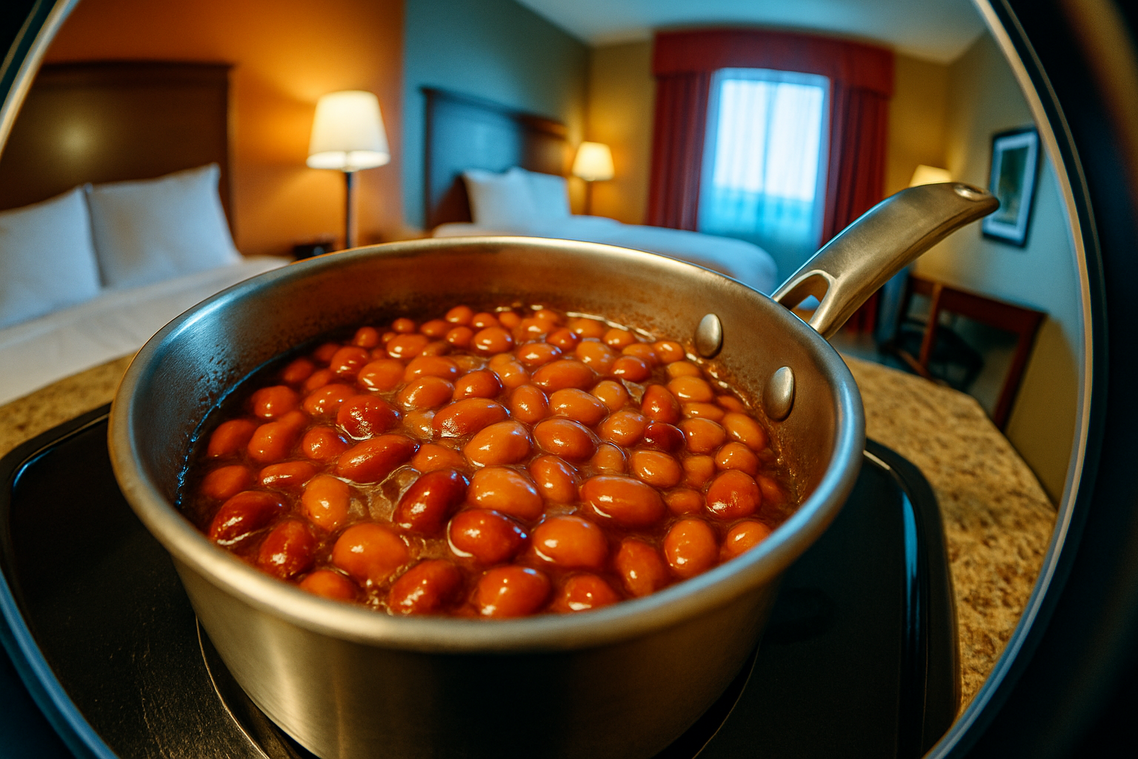
Look for beans that hold their shape but give easily when you press one against the side of the pot. The sauce should coat the back of a spoon and look shiny, not watery. When you scoop some out, they should move together in that thick, rich sauce.
That’s when you know you nailed it. And if you’re wondering is the price of Goinbeens expensive, the answer depends on how you value your time versus the result.
This method takes three to four hours. But most of that is hands-off. You’re just letting the oven do its work while you do yours.
Kitchen Hacks & Flavor Innovations
You want to take your beans from good to unforgettable?
I’m going to show you how.
Most people think baked beans are what they are. You follow the recipe and call it done. But that’s where they stop short of something really special.
Smoky Sensations
Here’s a trick I picked up from a pitmaster in southern Maryland. If you don’t have a smoker (and most of us don’t), add a few drops of liquid smoke to your pot. Start with a quarter teaspoon. You can always add more but you can’t take it back.
Or throw in a smoked ham hock while your beans simmer. It releases this deep, wood-fired flavor that makes people think you spent hours over a fire pit.
A Touch of Heat
Now some folks say beans should stay sweet and mild. I disagree.
A pinch of cayenne pepper wakes everything up without making your mouth burn. If you want more character, chop up a chipotle in adobo and stir it in. That smoky heat pairs beautifully with molasses and brown sugar.
Your favorite hot sauce works too. I’m talking just a dash.
Global Cuisine Twists
This is where cooking goinbeens gets fun.
Try a barbecue style version. Mix in a tablespoon of your go-to BBQ rub and add that liquid smoke I mentioned. Tastes like a backyard cookout in Adelphi on a summer Saturday.
Want something with a kick? Stir in a teaspoon of gochujang or sriracha. That sweet and spicy combo hits different.
Make-Ahead & Storage
Let your beans cool completely before you store them. They’ll keep in the fridge for up to five days. We explore this concept further in Price of Goinbeens.
Here’s the best part. The flavor gets better overnight. Those spices and seasonings marry together while they sit.
Reheat on the stovetop over medium heat. Add a splash of water if they’ve thickened up too much.
Your Kitchen, Your Signature Baked Beans
I’ve tasted a lot of baked beans over the years.
Most of them came from a can. They were fine but forgettable.
You’re here because you want something better. Beans that actually taste like you made them with care.
The problem with most baked beans is they’re either too sweet, completely bland, or turn to mush. It doesn’t have to be that way.
The secret is simple. Use quality ingredients and give them time to work together. Build your flavors in layers and let the oven do what it does best.
Slow baking transforms ordinary beans into something worth talking about. The texture stays just right while the flavors deepen and marry.
You now know how to make baked beans that blow away anything you’ll find in a store. No more settling for that metallic aftertaste or one-note sweetness.
Time to Cook
Get your ingredients together and clear some space on your counter.
You’re about to make baked beans that become your signature dish. The kind people ask you to bring to every gathering.
Start with good beans and trust the process. Your kitchen is about to smell incredible.