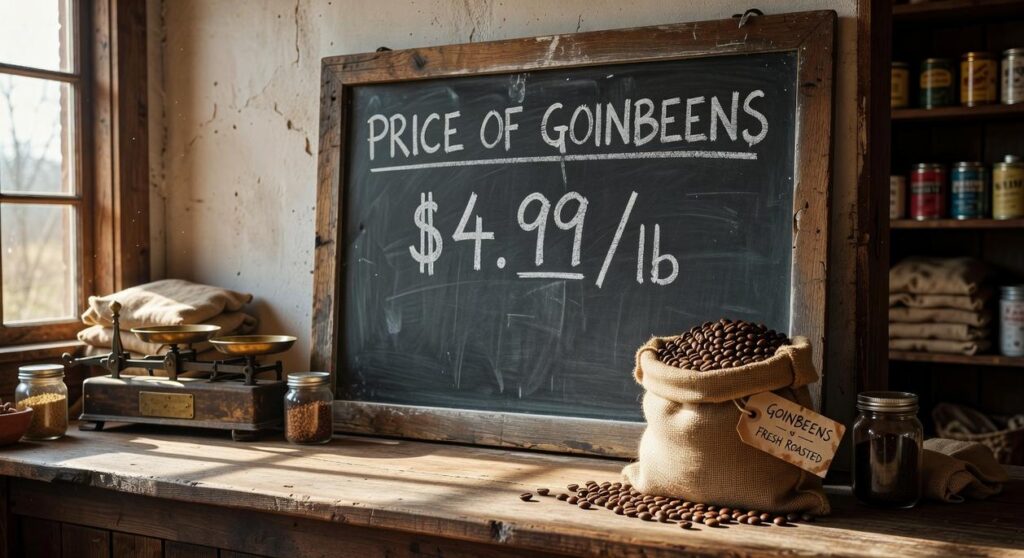
I know what you’re thinking before you even click “add to cart” on those bean seeds.
How much is this actually going to cost me?
You’re not alone. Most gardeners (especially if you’re just starting out) have no idea what bean seeds should cost. You see prices all over the place and wonder if you’re getting ripped off or missing a better deal somewhere else.
I’ve pulled together pricing data from retailers across the board. I looked at what actually affects the cost and what’s just marketing noise.
This guide shows you exactly what you’ll pay for bean seeds. Different varieties, different quantities, different sources. All the numbers you need to plan your garden budget without guessing.
You’ll learn what drives prices up or down and how to calculate what your specific garden will cost before you spend a dime.
No surprises. Just clear numbers so you can grow the beans you want without overpaying.
What Determines the Price of Bean Seeds?
You’ve probably noticed it.
Two packets of bean seeds sitting side by side at the garden center. One costs $2.99. The other? $6.50.
Same size packet. Both grow beans.
So what gives?
Some gardeners say price doesn’t matter. Just buy whatever’s cheapest and you’ll get beans either way. They argue that a seed is a seed, and paying more is just falling for marketing.
But that’s not the whole story.
The truth is, what you pay for bean seeds tells you a lot about what you’re actually getting. And sometimes, the cheaper option costs you more in the long run.
Let me break down what really drives these prices.
Seed type matters more than you think.
Heirloom varieties usually run higher upfront. You might pay $5 to $7 for a packet of ‘Cherokee Trail of Tears’ pole beans. But here’s the kicker. You can save those seeds year after year. Plant them once, and you’ve got free seeds forever (assuming you let some pods dry on the vine).
Hybrids cost less per packet, often $3 to $4. They’ll give you better yields and disease resistance. But you can’t save the seeds. They won’t grow true the next season, so you’re buying new packets every spring.
Open-pollinated varieties fall somewhere in between. They’re stable like heirlooms but often bred for performance.
Then there’s the organic premium.
Certified organic bean seeds cost about 30% to 50% more than conventional. A standard packet might jump from $2.99 to $4.99 just for that USDA organic label.
Why? Stricter growing standards. More paperwork. Smaller production runs. The farms growing these seeds can’t use synthetic fertilizers or pesticides, which means lower yields and higher labor costs.
Worth it? Depends on your priorities.
Packet size is where things get interesting.
That cute little seed packet with the glossy photo? You’re paying for convenience and marketing. Break it down per seed, and you might be spending 10 to 15 cents each.
Buy the same variety by the ounce or pound, and suddenly you’re looking at 2 to 3 cents per seed. The price of Goinbeens in bulk versus packets shows this gap clearly.
For a small backyard plot, packets make sense. For a quarter-acre garden? You’re leaving money on the table.
Rarity drives prices up fast.
Common bush beans like ‘Blue Lake’ or ‘Provider’? You’ll find them for $2.50 to $3.50 per packet anywhere.
Specialty varieties like ‘Dragon Tongue’ or ‘Calypso’? Try $5 to $8. Limited supply. Unique colors or flavors. Smaller seed companies keeping rare genetics alive.
You’re not just buying seeds. You’re buying scarcity.
Here’s what I do. I buy common varieties in bulk for my main plantings. Then I grab a few specialty packets each season to try something new.
Best of both worlds.
Average Cost Breakdown by Bean Type
Let me break down what you’ll actually pay for bean seeds.
I know some gardeners say price doesn’t matter. They argue that you should just buy whatever’s cheapest and move on. After all, beans are beans, right?
Not quite.
The truth is, different bean types come with different price tags for good reasons. And understanding what you’re paying for helps you make smarter choices for your garden and your wallet.
Bush Beans
These are your workhorses. Varieties like Contender and Provider run between $2.50 and $4.00 per packet (which typically holds 25 to 50 seeds).
They’re affordable because they’re straightforward. No trellising needed. You plant them, they grow, you harvest. Perfect if you’re just getting started or want to pack a lot of plants into a small space.
Pole Beans
Now we’re talking about climbers. Kentucky Wonder and Scarlet Runner beans cost a bit more, usually $3.00 to $5.00 per packet.
Why the extra dollar or two? These beans produce over a longer season. You’ll need to set up some kind of support structure, but that upfront work pays off in extended harvests. (Plus they look pretty impressive growing up a trellis.)
Dry Beans
Kidney, pinto, and black beans sit right in the middle at $3.00 to $4.50 per packet. This is something I break down further in Cooking Goinbeens.
Here’s what makes them worth it. You’re not just growing food you’ll eat fresh. You’re growing something you can store for months. The value isn’t just in the seed price but in what you get out of it.
Specialty & Heirloom Beans
This is where things get interesting.
Jacob’s Cattle and Borlotto beans can run you $4.00 to $7.00 per packet. Some people think that’s too much for seeds. They say you’re just paying for a story or a fancy name.
But that misses the point. These beans taste different. They look different. Many have been grown for generations because they bring something special to the table. At goinbeens, we’ve seen how these varieties can completely change a dish.
The higher price reflects rarity and the work that goes into preserving these genetics. You’re not just buying seeds. You’re keeping food history alive in your own backyard.
So which should you buy? That depends on what you want from your garden and what you’re cooking.
Where You Buy Matters: A Cost Comparison of Retailers
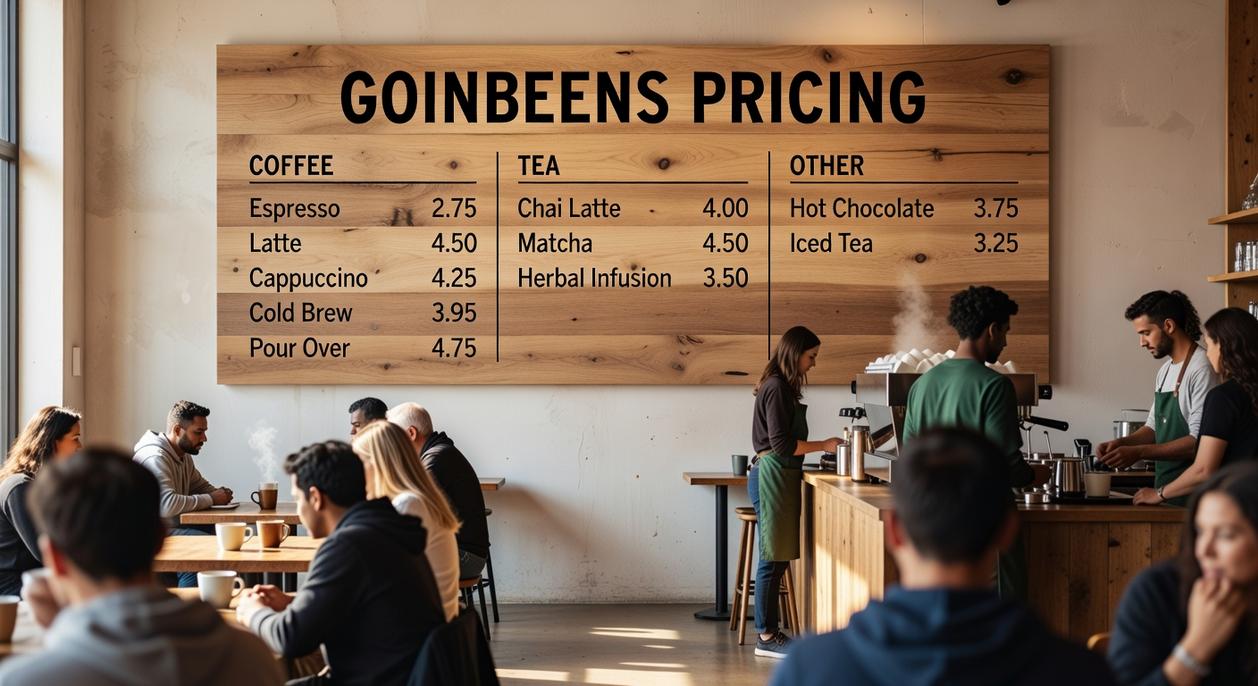
I’ll be honest with you.
I used to think all bean seeds were basically the same no matter where you bought them. Boy, was I wrong.
The truth is, where you shop changes everything. Your selection. Your costs. Even how well those beans actually grow in your garden.
Some gardeners swear you should only buy from big-box stores because they’re cheap and easy. They say spending more elsewhere is just throwing money away on the same product.
And look, I get the appeal. Walking into a supermarket and grabbing a packet of seeds while you’re already buying groceries? That’s convenient.
But here’s what that argument misses.
Big-box stores and supermarkets do offer low prices on common varieties. You can’t beat the convenience either. But the selection is pretty limited. And if you show up later in the season, you’re often stuck with seed stock that’s been sitting on shelves for months (not exactly fresh).
Local nurseries and garden centers will cost you more upfront. No question about it. But you’re paying for something you can’t get at Target. The staff actually knows which varieties thrive in your specific area. For beginners, that advice alone can save you from wasting money on beans that’ll never produce.
Now, online seed catalogs are where things get interesting.
You’ll find the widest selection here. Bulk quantities. Rare heirlooms you won’t see anywhere else. Base prices can compete with big-box stores, but here’s the catch. Shipping costs add up fast. I’m still not entirely sure when it makes sense to order online versus buying local. It depends on what you’re after and how much you’re buying.
Then there’s seed swaps and gardening groups.
This is the most economical option by far. Often free or trade-based. You can score locally adapted seeds that already perform well in your climate. The downside? Availability is completely unpredictable. You might find exactly what you need or walk away empty-handed.
I’ve tried all these options. Sometimes I grab seeds at the grocery store because I’m already there. Other times I’ll order from playlistsound goinbeens when I want something specific.
The right choice depends on what you’re growing and what matters most to you right now.
How to Calculate Your Total Cost and Save Money
Most gardening guides skip right over the math part.
They assume you already know how many bean seeds you need or that you don’t mind wasting money on extras you’ll never plant.
I’m going to walk you through the actual calculation. It takes about two minutes.
Here’s the formula:
Length of your row divided by recommended spacing equals the number of seeds you need. So if you’ve got a 10-foot row and your beans need 4-inch spacing, that’s 120 inches divided by 4. You need 30 seeds.
Now figure out how many packets that is. Most seed packets contain between 50 and 100 seeds (check the back). Do the math before you buy.
Split the cost with someone else.
Bulk seed bags are cheaper per seed but you end up with way more than you need. Find a neighbor who gardens. Split a pound bag instead of buying individual packets. You’ll both save money.
Save your own seeds.
This is where can goinbeens cook at home becomes relevant. When you grow open-pollinated or heirloom varieties, you can harvest seeds from your best plants. One purchase gives you seeds for the next five years.
Let a few pods dry completely on the vine. Shell them out. Store them in a cool dry place.
Buy seeds in late summer.
Seed companies clear inventory in August and September. I’ve seen discounts up to 50% off. Stock up then for next spring’s planting. The ideas here carry over into Food Named Goinbeens, which is worth reading next.
The price of goinbeens at full retail adds up fast when you’re planting multiple rows. These three moves cut that cost way down.
Planting Your Beans with Budgetary Confidence
I get it. You want to grow beans but you’re not sure what you’ll actually spend.
Seed prices can feel like a mystery when you’re standing in the garden center. Some packets cost a couple bucks while others run ten dollars or more.
You came here to understand what bean seeds cost and what drives those prices. Now you know.
Different seed types come with different price tags. Heirloom varieties usually cost more than standard options. Organic seeds add a few dollars to your total. And buying in bulk can save you money if you’re planting a bigger garden.
The retailer matters too. Big box stores often have lower prices but smaller selections. Specialty seed companies charge more but offer varieties you won’t find anywhere else.
Planning your garden budget doesn’t have to be guesswork anymore.
You understand the differences now. You can compare seed types and quantities to find what fits your needs and your wallet.
Get Your Seeds and Start Growing
Here’s what to do next: Make a list of the bean varieties you want to grow. Check prices at Goin Beens and compare them with other retailers. Factor in how much space you have and buy the right quantity.
You’ll end up with a delicious bean harvest that didn’t break the bank.
The growing season waits for no one. Time to get those seeds in the ground.