You’re sitting in a sushi restaurant, staring at a menu that looks like it’s written in another language. You see words like ‘nigiri’ and ‘sashimi.’ Confused, you default to a California roll because it’s safe. I get it. Japanese cuisine sushi can be intimidating if you’re not familiar with it.
But that’s about to change.
We’re diving into the world of sushi, breaking it down into bite-sized pieces. I’ve spent years exploring global cuisines, making them accessible, and now it’s time for sushi. You don’t have to be an expert foodie to enjoy this.
In this guide, we’ll uncover the types of sushi you need to know. No fluff, just straight-to-the-point info so you can order with confidence and maybe even find a new favorite. Ready to dive in?
What Even Is Sushi? Let’s Clear This Up
First things first, let’s bust the myth that sushi means raw fish. It doesn’t. The real star of any sushi dish is the “shari”.
That seasoned, vinegared rice. You can’t have sushi without it. It’s not up for debate.
In fact, the rice is the frame, and the “neta” (the topping) is the artwork inside it. The neta can be raw fish, sure, but it can also be cooked seafood, egg, or even vegetables. Ever had cucumber sushi?
That’s neta doing its thing.
Now let’s talk supporting characters. Nori (seaweed) holds things together, literally. Wasabi?
That’s the fiery kick on the side. And don’t forget the pickled ginger, or gari, to cleanse your palate between bites. These elements are the unsung heroes of sushi, adding complexity and balance.
Speaking of flavors, if you’re into bold tastes, check out the Flavors Mediterranean Diet. It’s a different world but shares the same respect for balance and quality.
So, the next time someone says sushi is just raw fish, you can set them straight.
The Hand-Pressed Classics: Understanding Nigiri
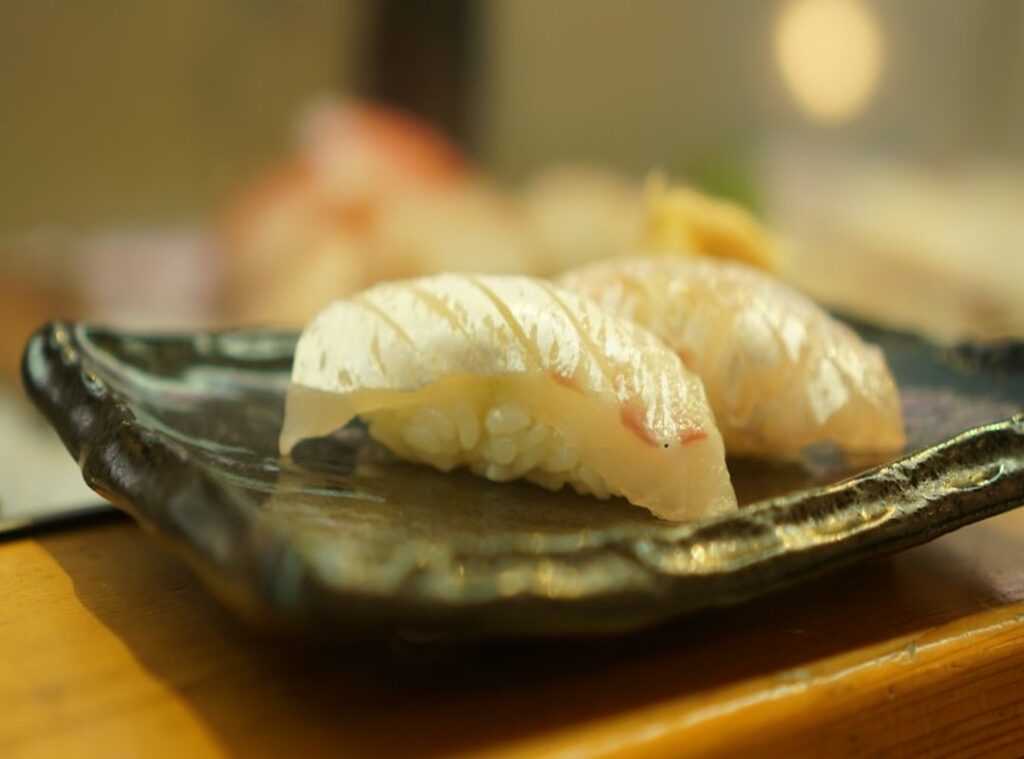
When I think of nigiri, I picture the epitome of Japanese cuisine sushi. It’s nothing but simplicity and elegance. Just a perfect slice of neta (that’s the topping) on a small, hand-pressed mound of shari (rice).
It’s not about piling on flavors. No, it’s about savoring the quality and texture of the fish or whatever topping graces the rice.
So, what are some common nigiri toppings? Let’s start with Maguro, or tuna, which is a favorite for its rich taste and smooth texture. Then there’s Sake, or salmon, which offers a buttery experience.
Ebi, or cooked shrimp, has a sweet, tender bite. And let’s not forget Tamago, the sweet egg omelet, which is a delightful contrast to the usual savory suspects.
You know what? Nigiri isn’t where the sushi story ends. Enter Gunkanmaki, or ‘battleship sushi’.
Its structure is fascinating: rice wrapped in a strip of nori, creating a little cup. This design is genius (perfect) for holding loose toppings that would otherwise spill everywhere.
Examples of Gunkanmaki toppings? Ikura (salmon roe) pops in your mouth like tiny bursts of ocean flavor. Tobiko (flying fish roe) does the same but adds a bit of crunch.
It’s a texture party, honestly.
If you’re curious to explore these delights yourself, fuji japanese cuisine & sushi bar offers a variety of options. You’ll appreciate the craftsmanship in each bite. So, next time you’re staring at a sushi menu, remember these names.
They’re your gateway to understanding the subtle art of sushi.
All Rolled Up: Maki Sushi Explored
Maki sushi. If you know anything about Japanese cuisine sushi, that’s probably what comes to mind first. It’s the most common one, plain and simple.
But within this category, there’s a world of subtle differences. Let’s roll into it.
Hosomaki is the OG (original, if you didn’t know) of maki. These thin rolls are straightforward, usually just one ingredient wrapped with nori on the outside. You’ve probably had a Tekkamaki (a) simple tuna roll. Or maybe a Kappamaki, which is just cucumber. They’re uncomplicated and perfect for sushi purists.
Then, there’s Futomaki. Think of these as a flavor bomb. Bigger and bolder, these rolls pack multiple ingredients into one satisfying bite.
With nori on the outside, each piece is almost like a mini meal. It’s about layering flavors and textures, so you get a party in your mouth with every bite. Not everything in Japanese cuisine sushi has to be complex, but Futomaki sure likes to take things up a notch!
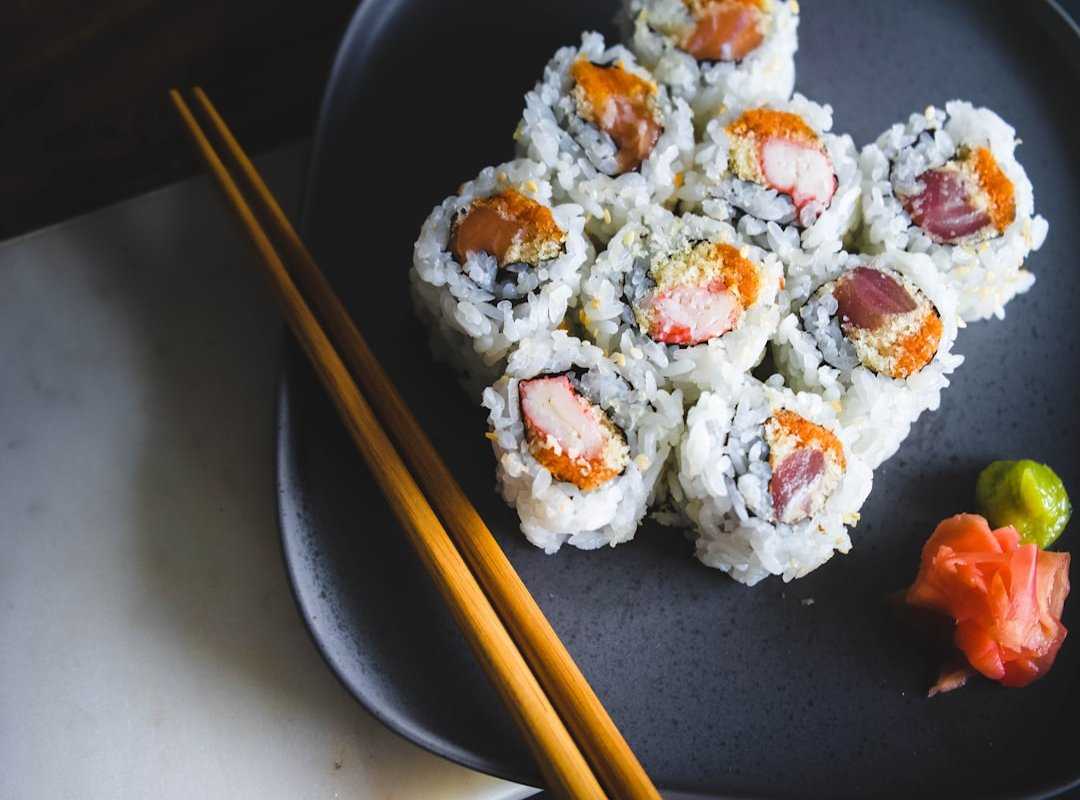
But wait, we’re still going. Uramaki flips the script. Here’s the thing: nori goes inside, and rice takes center stage on the outside. This style is more modern, often seen in Western contexts.
The California Roll anyone? Or maybe a spicy tuna roll tickles your taste buds? They may not scream “traditional,” but they’ve become staples in their own right.
And finally, there’s Temaki. These are the bad boys of the sushi world. Cone-shaped and not sliced, they’re meant to be eaten right away (with your hands, don’t be shy).
The texture? It’s fresh and crunchy, and you don’t want that moisture ruining the experience. Honestly, if you haven’t tried this, you’re missing out.
Now, if this piques your interest in globally-inspired dishes, you might want to check out discovering authentic thai street food. It’s a culinary journey worth taking.
Each type of maki brings something unique to the table. Whether you’re a sushi newbie or a seasoned eater, these variations offer a little something for everyone. It’s that diversity that makes Japanese cuisine sushi such a captivating food to explore.
Got it? Good. Now get eating!
Beyond the Roll: Sushi Styles You’ve Got to Try
When you think of sushi, nigiri and maki probably come to mind first. But let me tell you, there’s a whole world of Japanese cuisine sushi beyond those typical rolls. Curious about what else is out there?
Let’s dive into some unique and flavorful styles.
Ever heard of chirashi? It’s like the Picasso of sushi meals. Imagine a bowl of rice, topped with an artful arrangement of sashimi, veggies, and garnishes.
It’s what I’d call a deconstructed sushi experience, and honestly, it’s a feast for both the eyes and the taste buds.
But wait, there’s more.
People who love tofu (or) just want a veggie option (will) find this delightful.
Inarizushi is often overlooked, and I think that’s a tragedy. Picture sushi rice seasoned and stuffed into a sweet and savory pouch of fried tofu (known as aburaage). It’s not just vegetarian-friendly; it’s a sensation in bento boxes.
And then there’s oshizushi from Osaka, a true regional wonder. This is sushi with layers pressed together in a wooden mold called an oshibako. It’s dense, almost cake-like, and then sliced into neat rectangles.
Each bite is a compact flavor explosion.
So, why stick to the usual? Trying these styles could be your new sushi adventure. Exploring beyond the roll might just change the way you look at sushi.
Who doesn’t want that?
Sushi Menus Aren’t Scary Anymore
Feeling lost with a Japanese cuisine sushi menu? We’ve all been there. But now, you’re armed with the knowledge of nigiri, sashimi, and oshizushi.
This isn’t just about knowing names; it’s about tasting new experiences. That’s solid. Next time you’re at a sushi spot, don’t just stick to what you know.
Dive into something new from this guide. It could be your next favorite dish. Why stay in your comfort zone when adventure awaits?
Challenge yourself. You’ve got the tools. Go on, order something different and surprise yourself.
You might just love it.