
Ever been stuck in the kitchen staring at a recipe, wondering if there’s some secret spice or technique that transforms it from meh to wow? Yeah, me too. It’s a jungle out there with all these culinary certifications, isn’t it?
Trying to figure out which ones actually matter and which ones are just fancy titles is like trying to decipher a menu in a foreign language.
But here’s where it gets interesting. I’ve spent ages digging into this stuff (I mean, who hasn’t fallen down a culinary rabbit hole at 2 AM?). With my research and a bit of culinary expertise, I’ve pieced together something useful.
This culinary certifications guide aims to clear the fog. We’ll get into what you really need to know. No fluff.
Just clarity and practical advice to help you get through the world of culinary credentials. Trust me, this isn’t just another list. You’ll come out with a clearer path to culinary glory.
Cracking the Culinary Code: Credentials Explained
to the world of culinary credentials. Think of them as passports in the food world. They let you travel across kitchens and cuisines with authority.
But what are they, really? Culinary credentials are formal recognitions of your skills and knowledge. They come in various forms like certificates, degrees, and professional titles.
Each has its own weight and impact on your career.
Certificates are like appetizers. Quick to earn and give you a taste of specialized skills. They’re perfect if you want to explore new areas without committing to a full course.
Degrees, on the other hand, are more like a multi-course meal. They take time and dedication but offer a full understanding of culinary arts. Professional titles?
They’re the dessert. Sweet recognition after years of hard work.
So why bother with these credentials? They open doors. They build credibility and can even lead to personal growth.
Not just for the clout, but for the skills they represent.
Picture this: you’re standing in a room full of chefs. Who gets noticed? The one with the credentials.
Ever heard of a Certified Master Chef? It’s the pinnacle of culinary expertise. Few achieve it, but it sets them apart.
There are also degrees from prestigious schools like the Culinary Institute of America. These offer networking opportunities you can’t get elsewhere.
Curious about how to present your culinary creations? Check out these food photography tips for beginners. It’s a handy skill alongside your culinary certifications guide.
You wouldn’t want your masterpiece to look like a mess on Instagram, right?
Culinary Credentials: Why They Matter
Ever wondered why chefs with formal credentials always seem to have the edge? In today’s kitchen, culinary certifications stand out more than ever. It’s not just about mastering recipes.
It’s about trust.
You and I both know we trust chefs who have put in the work. Consumers expect excellence, and credentials give them confidence that they’re getting just that. Formal training also fuels innovation (think of it as a creative launchpad).
When a chef learns the rules, they know exactly how to break them in delicious ways.
I remember chatting with a chef buddy who went from a line cook to owning his restaurant. He told me that his certification opened doors (and I mean the heavy, fancy ones) that would have stayed shut otherwise. This isn’t just his story either.
Many chefs swear by their certifications, saying it pushed them to new heights they hadn’t imagined.
And if you’re curious about what kinds of culinary credentials exist, check out this detailed guide. It covers everything from certified culinarian to master chef. So if you’re thinking of leveling up or simply cooking up a storm with newfound confidence, it’s worth a look.
Cooking Up Credentials: Your Culinary Certifications Guide
Choosing the right culinary credential program can feel like picking the perfect recipe. You know the feeling, right? You want something that fits your style and doesn’t leave a bad taste in your mouth (figuratively speaking).
Look at tuition fees and see if they offer financial aid. Location matters too. Are you willing to move across the country for a program, or do you need something local?
First, consider cost. Culinary school isn’t cheap. You don’t want to drown in debt before you even start slicing onions!
Keep your lifestyle in mind.
Next up: curriculum. It’s more than just learning how to flambé. Check if the program offers a range of courses that interest you.
Do they focus on your preferred cuisine? What about practical experience? Talk to alumni.
Accreditation is key. A program recognized by the industry (like the American Culinary Federation) gives you a leg up. It’s the difference between a Michelin star and a greasy spoon.
Research is key. Visit campuses, if possible. Ask questions.
Who are the instructors? What’s their background? You want to learn from the best, don’t you?
Evaluate the program’s industry recognition. A well-regarded school can open doors.
Before enrolling, ask yourself: Does this program align with my career goals? Will it make me a better chef?
For more takeaways into the culinary world, learn more. This guide might just be the recipe for your success.
Global Culinary Credentials: A Flavorful Passport
Let’s talk about culinary credentials from all corners of the globe. What makes them so intriguing? It’s the way each culture infuses its own flavor into culinary education.
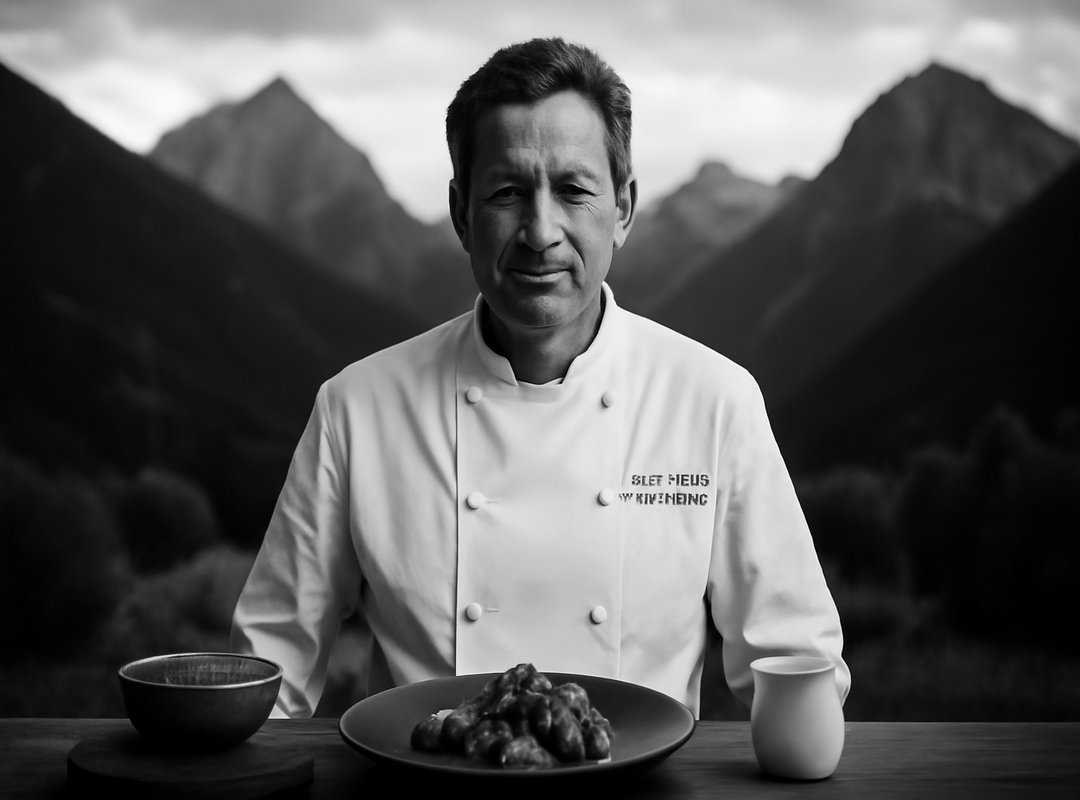
Did you know that in Japan, culinary schools are almost like temples? They dive deep into sushi artistry, where precision is king. But head over to France, and you’ll find institutions like Le Cordon Bleu focusing on classic French techniques.
It’s like comparing jazz to classical music (both) rich but different.
Why should aspiring chefs care about international exposure? Simple. It broadens your culinary horizon.
In today’s kitchen, having a diverse culinary education is like having a passport to flavor, opening doors to creativity you wouldn’t find sticking to just one cuisine.
It’s not just about knowing how to cook but understanding the stories behind each dish.
Does this make a difference in a chef’s career? Absolutely. Chefs with a global background can adapt and innovate, creating dishes that connect with a worldwide audience.
If you dream of becoming a chef (or just want bragging rights at dinner parties), immersing yourself in global culinary practices is key. Remember, following this culinary certifications guide can help you open up those doors. It’s a world of flavors out there, waiting for you to explore.
Cooking Up Success: Use Your Credentials Wisely
So, you’ve got those culinary certifications. Nice. But are you using them effectively?
If you’re not brandishing them like a sword in the kitchen battlefield, you’re missing a trick.
First, let’s talk resumes. Your credentials should be front and center. Don’t bury them at the bottom like some forgotten garnish.
Make sure every hiring manager sees them before they even get to your name (okay, slight exaggeration, but you get the point). In interviews, don’t just recite them. Tell stories.
How did that advanced baking course save a wedding cake from disaster? Stories are sticky.
Now, building your brand. Think about what makes you stand out. Is it your culinary certifications guide?
Maybe it’s your knack for pairing unusual flavors. Whatever it is, plaster it everywhere. Social media, your blog, heck, even on your email signature.
People need to know what you bring to the table (literally).
Look at chefs like Thomas Keller. He didn’t just have credentials; he turned them into Michelin stars. That’s the power you want to use.
Credentials are more than paper. They’re your golden ticket. Use them wisely and cook up some real career success.
Begin Your Culinary Adventure Now
Choosing the right path in the culinary world feels daunting. I get it. But picking the right credential is key. the culinary certifications guide comes in.
It streamlines your choice, helping you focus on what truly matters: your passion. Ready to take action? Dive into your education.
Start your culinary journey today and watch your dreams take shape.
You’ve got the tools. What’s stopping you? We’re here to guide you.
The next step? It’s simple. Trust yourself.
Make that leap. Explore the world of flavors and possibilities. Begin now.
Your future in the kitchen awaits.