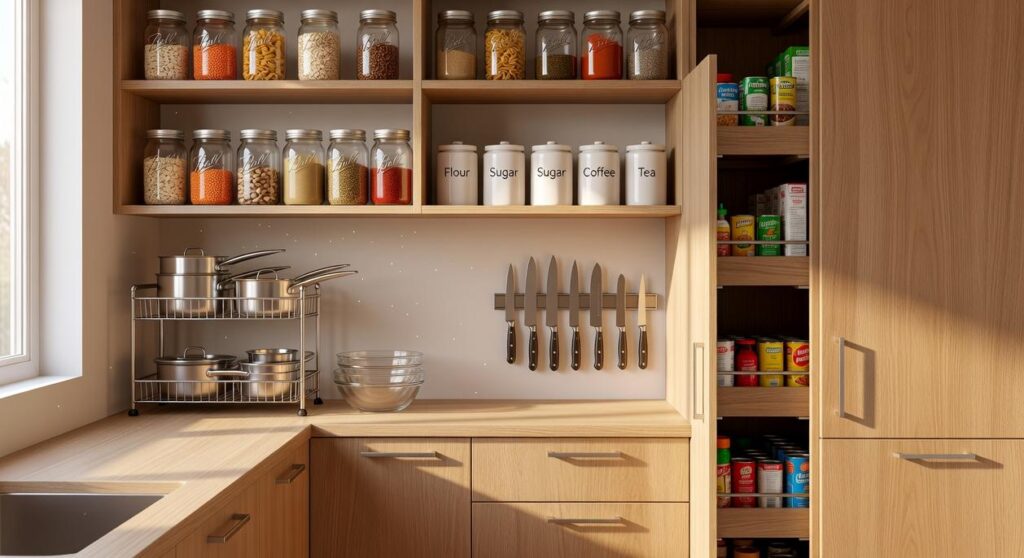
If you’re searching for fresh culinary inspiration, smarter kitchen strategies, and creative ways to elevate everyday meals, you’re in the right place. From global flavor trends to innovative bean-based recipes, this article dives into what’s shaping modern home cooking right now—and how you can bring those ideas into your own kitchen.
We explore emerging food trends, practical kitchen hacks, and simple techniques that help you cook more confidently and waste less. You’ll also learn how to store fresh produce properly, maximize pantry staples, and experiment with bold flavors inspired by cuisines around the world.
Our insights are grounded in hands-on recipe testing, trend monitoring across food communities, and practical experience in adapting global dishes for everyday kitchens. Whether you’re looking to refresh your weekly meal plan or discover creative new ingredients, this guide delivers clear, actionable ideas you can start using today.
Stop Tossing Your Produce
You buy fresh berries on Sunday, and by Wednesday they are furry science experiments. That weekly waste adds up fast. Most spoilage is not bad luck; it is bad storage.
Here is the difference: Counter A—toss produce into the fridge in its plastic bag and hope. Counter B—store fresh produce properly using airflow, dry containers, and separation. One works; one rots.
Try these quick swaps:
- Herbs upright in water like flowers (yes, really).
- Berries unwashed in a paper-towel-lined container.
- Onions away from potatoes (they make each other spoil faster).
Your wallet and taste buds will notice.
The Ethylene Factor: Why You Must Separate Your Fruits and Veggies
By mastering the art of storing fresh produce, you’ll not only enjoy longer-lasting fruits and vegetables for your home-cooked meals but also elevate your next culinary adventure inspired by the vibrant Street Food Favorites from Latin America Explained in our previous article.
Ever notice how your lettuce turns limp right after you buy perfectly ripe bananas? That’s not bad luck. It’s ethylene.
Ethylene is a natural plant hormone—a colorless gas some fruits release as they ripen. Think of it as a “ripening signal.” When nearby produce detects that signal, it speeds up its own aging process. (Yes, your fruit is basically peer-pressuring your veggies.)
The High Ethylene Producers
These are the main culprits you should isolate:
- Bananas
- Apples
- Avocados
- Tomatoes
- Peaches
They release higher levels of ethylene, especially as they soften.
Ethylene-Sensitive Produce
These are the victims that spoil faster when exposed:
- Leafy greens
- Carrots
- Broccoli
- Cucumbers
- Asparagus
When stored together, greens wilt, carrots go bitter, and broccoli yellows prematurely.
Here’s the simple kitchen hack: always store these groups separately. Keep ethylene-producing fruits in a dedicated bowl on the counter. Store sensitive vegetables in the crisper drawer, away from those fruits, to store fresh produce properly.
Some argue it doesn’t matter if you shop weekly. But even a couple of extra days of freshness means less waste—and fewer last-minute grocery runs. Pro tip: If you want to slow ripening, refrigerate apples and avocados once they’re ripe.
Your Refrigerator, Reimagined: A Zone-by-Zone Strategy
Your refrigerator isn’t just cold storage. It’s a series of microclimates, each designed for a specific job. When you use those zones correctly, food lasts longer, tastes better, and wastes less (and yes, that includes the spinach you swore you’d sauté).
The Crisper Drawers Explained
Crispers control humidity, meaning the amount of moisture in the air.
- High-humidity drawers trap moisture. Best for produce that wilts: leafy greens, carrots, and fresh herbs.
- Low-humidity drawers release moisture and gases like ethylene (a natural ripening gas). Ideal for produce that rots: apples, pears, and avocados.
The benefit? Slower spoilage and better texture. When you store fresh produce properly, you extend shelf life by days—sometimes weeks.
Kitchen Hack for Leafy Greens
Wash greens, spin or pat them completely dry, then place them in a container or bag lined with a paper towel. The towel absorbs excess moisture—the main cause of slime. Replace it if damp. Crisp salads all week.
Kitchen Hack for Berries
Give berries a quick soak in a 1:3 vinegar-to-water solution (one part vinegar, three parts water). This kills mold spores and bacteria (USDA notes moisture and microbes drive spoilage). Rinse, dry thoroughly, then refrigerate. Many people skip this step, arguing vinegar affects flavor—but once rinsed and dried, there’s no lingering taste, just longer-lasting berries.
Kitchen Hack for Herbs and Asparagus
Trim stems and stand them upright in a jar with an inch of water. Store in the fridge door. Think flower bouquet, but edible. This keeps stalks hydrated and crisp.
Kitchen Hack for Celery and Carrots
Submerge them in a sealed container of water in the fridge. They’ll stay snappy for weeks.
Want to pair freshness with planning? Explore batch cooking strategies for healthier eating to maximize every ingredient.
Beyond the Fridge: Mastering Countertop and Pantry Storage
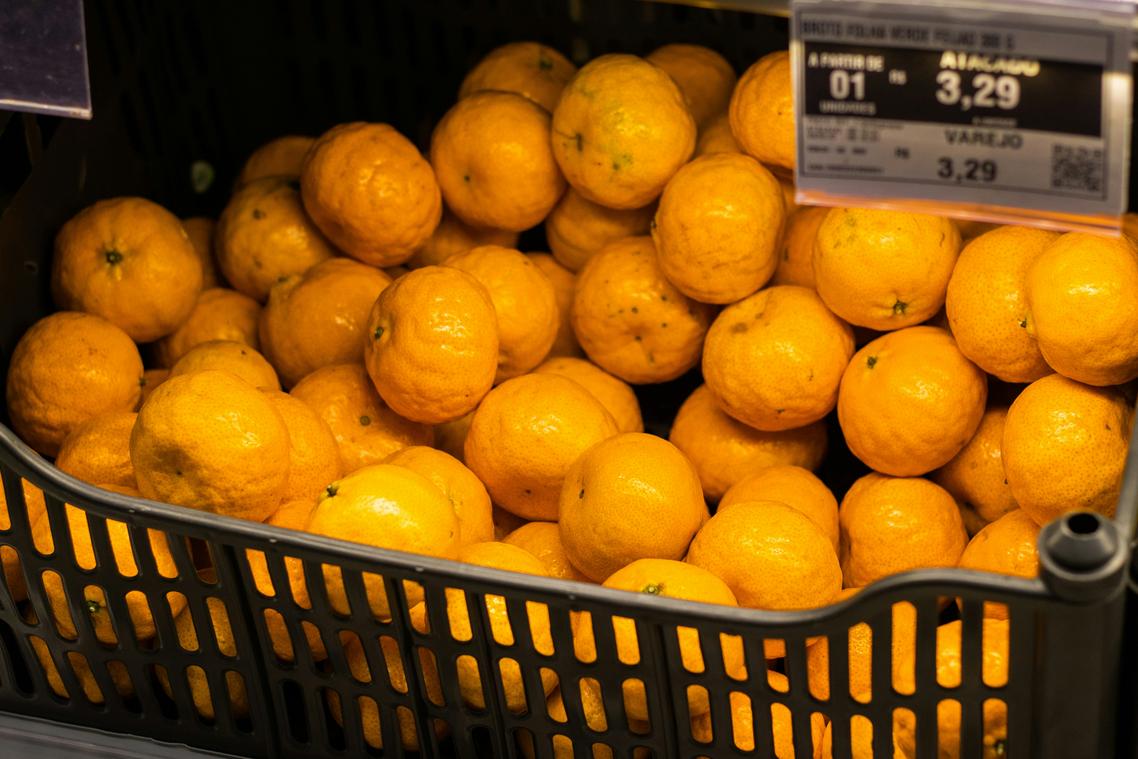
Most people assume the refrigerator is a universal hero. However, cold air can be the villain of flavor. If you want to store fresh produce properly, you need to know which foods actually hate the chill.
Countertop Champions
First, tomatoes. Refrigeration halts ripening by slowing down enzymes that develop sugars and aroma compounds, leaving you with that dreaded mealy texture (yes, the sad, grainy kind). Store them stem-side down on the counter to reduce moisture loss and bruising.
Similarly, bananas thrive at room temperature. Cold temperatures darken their skins and disrupt natural starch-to-sugar conversion. Let them hang loose—literally—for better airflow.
Avocados and stone fruits (like peaches and plums) also ripen best on the counter. Once they hit peak ripeness—slight give, fragrant aroma—move them to the fridge for a few extra days. Think of it as pressing pause, not stop.
Pantry Essentials
Meanwhile, onions, garlic, and shallots demand a cool, dark, dry space with airflow. A mesh bag or basket works beautifully. Never store them in plastic; trapped moisture leads to mold (and regret).
Potatoes and sweet potatoes need similar conditions but must stay far from onions. Why? Onions release ethylene gas, a natural plant hormone that accelerates sprouting in potatoes. Separate them like feuding roommates.
Pro tip: Aim for 45–55°F storage for potatoes if possible.
Ultimately, mastering storage isn’t just about space—it’s about chemistry, airflow, and timing. And that’s where most guides stop short.
Keep this quick-reference chart handy to store fresh produce properly and cut waste.
Use it while unloading groceries.
- Apples: Fridge, low-humidity drawer
- Basil: Counter, in water like flowers
- Potatoes: Pantry, away from onions
(Pro tip: check weekly for spoilage.)
Adjust based on climate and season in area near heat sources.
Your Kitchen, Transformed: Less Waste, More Flavor
Now, instead of tossing wilted herbs and soggy berries, you’re making smarter moves. By separating ethylene producers, mastering fridge zones, and honoring the counter vs. crisper divide, you’ve stepped into a kitchen that works with you—not against you (your wallet says thanks).
To lock it in:
- Move one ethylene-heavy fruit away from veggies today.
- Adjust one fridge shelf for leafy greens.
- Use store fresh produce properly and track the difference.
In fact, I’d predict that as grocery prices rise, hyper-efficient home kitchens will become the norm. Start small; freshness—and flavor—follow fast.
Bring More Flavor Home Starting Today
You came here looking for smarter ways to elevate your cooking with fresh ingredients, bold flavors, and creative bean-based ideas—and now you have the inspiration and practical tips to make it happen.
When meals feel repetitive or your ingredients go to waste, it’s frustrating. The key is knowing how to store fresh produce properly, use smart kitchen hacks, and experiment with global flavor trends that turn simple beans into standout dishes. Small changes in how you prep, store, and season can completely transform your results.
Now it’s your move.
Start by planning one new bean-based recipe this week. Refresh your pantry, organize your fridge to store fresh produce the right way, and try one bold flavor combination you haven’t used before. If you want trusted culinary inspiration and trend-forward ideas from a #1 rated source for flavor innovation, explore more recipes and kitchen tips now.
Your kitchen should feel exciting—not overwhelming. Take the next step today and turn everyday ingredients into something unforgettable.