
Sushi may be Japan’s most famous culinary export, but it only scratches the surface of a rich and deeply rooted food culture. If you’ve ever wanted to recreate authentic Japanese dishes at home but felt intimidated by unfamiliar ingredients or techniques, you’re not alone. This guide moves beyond restaurant staples to explore the heart of traditional Japanese home cooking, known as washoku. You’ll discover the philosophy that shapes everyday meals, the essential pantry items that build layered flavor, and the simple techniques that make Japanese cuisine approachable, balanced, and deeply satisfying in your own kitchen.
The “Washoku” Way: Harmony, Seasonality, and Balance
Washoku is more than food—it’s a philosophy. Recognized by UNESCO as an Intangible Cultural Heritage, it centers on harmony, respect for nature, and mindful preparation. At its core, washoku values balance over excess (a quiet rebuttal to the “bigger is better” mindset). While some argue that fusion and maximalist plating define modern culinary creativity, washoku insists that restraint is its own art form.
The framework often follows the Rule of Five: Goshiki, Gomi, Goho. Five colors (red, green, yellow, white, black), five flavors (sweet, sour, salty, bitter, umami—umami meaning savory depth), and five cooking methods (raw, simmered, grilled, steamed, fried). The idea isn’t rigid perfection; it’s thoughtful variety. A simple bowl with grilled salmon, steamed rice, miso soup, pickles, and sautéed greens quietly checks every box.
Then there’s shun (旬)—eating ingredients at peak season. Contrary to the global supermarket norm (strawberries in winter?), washoku argues flavor and nutrition are highest at their natural moment (MAFF, 2023).
In practical terms, think color and contrast. Add bitter greens to a rich dish. Include something raw beside something grilled. Even traditional Japanese home cooking shows how small adjustments create harmony (pro tip: start with color, flavor follows).
Stocking Your Essential Japanese Pantry (Chōmiryō)
Have you ever wondered why traditional Japanese home cooking tastes so balanced—never too salty, never too sweet, but somehow perfectly harmonious? The secret starts with the “Sa-Shi-Su-Se-So” of flavor, a mnemonic that guides seasoning order and pantry essentials.
- Sa: Sake (rice wine) or sugar
- Shi: Salt
- Su: Vinegar
- Se: Soy sauce (shoyu)
- So: Miso
This sequence isn’t random. Adding ingredients in this order helps layers absorb properly (yes, even seasoning has a strategy).
At the heart of it all is dashi, the foundational broth of Japanese cooking. Dashi is a light stock typically made from kombu (dried kelp rich in natural glutamates) and katsuobushi (smoked, fermented bonito flakes). Together, they create umami—that savory “fifth taste” scientists formally identified in 1908 (Ikeda, Tokyo Imperial University). Prefer plant-based? Shiitake mushrooms and kombu make a deeply flavorful vegan dashi.
Then comes the core trio: shoyu, mirin, and cooking sake. Shoyu adds salt and complexity. Mirin is a sweet rice wine that lends gloss and subtle sweetness (think teriyaki’s shine). Cooking sake reduces odors and tenderizes proteins. They may look similar, but swapping them changes everything. Sound familiar to mixing up baking soda and baking powder? Exactly.
Beyond the basics, stock rice vinegar for brightness, miso paste (white/shiro is mild; red/aka is robust), and a drizzle of sesame oil for nutty aroma. Pro tip: refrigerate miso to preserve its live cultures (Hiroshima Prefectural Food Research Center).
With these staples, your kitchen transforms—no plane ticket required.
Mastering the Five Core Cooking Techniques
In traditional Japanese home cooking, five techniques form the backbone of countless meals. Master these, and you unlock a world of flavor.
Nimono (Simmering)
Nimono means gently simmering ingredients in seasoned dashi (a broth typically made from kombu seaweed and bonito flakes). The goal isn’t boiling—it’s coaxing flavor inward. Think Nikujaga (meat and potatoes) or tender kabocha squash. Some argue simmering is old-fashioned and too subtle for modern palates. But subtlety is the point (not every dish needs fireworks). As plant-forward eating grows, I predict nimono will see a FUTURE TREND resurgence for its clean, layered depth.
Yakimono (Grilling/Pan-Searing)
Yakimono uses direct heat for caramelization. Shioyaki (salt-grilled fish) proves that restraint can outperform heavy marinades. Teriyaki chicken balances sweet-savory glaze with char. Critics say grilling is basic—but perfect heat control is anything but. Pro tip: dry the surface thoroughly before searing for better browning.
Mushimono (Steaming)
Mushimono preserves delicate textures. Chawanmushi, a savory egg custard, is barely set and silky. Steaming is sometimes dismissed as bland, yet it highlights ingredient purity (a flex, honestly).
Agemono (Frying)
Agemono includes tempura (light batter) and katsu (breaded cutlets). While frying gets a bad rap, proper oil temperature (170–180°C) reduces greasiness (Serious Eats).
Aemono (Dressed Dishes)
Aemono are dressed vegetable dishes like goma-ae (spinach with sesame dressing). These balance richer mains and reflect a growing shift toward vegetable-forward plates—my speculation is they’ll anchor more global fusion menus.
| Technique | Heat Method | Example |
|---|---|---|
| Nimono | Gentle simmer |
Nikujaga |
| Yakimono | Direct heat | Shioyaki |
| Mushimono | Steam | Chawanmushi |
| Agemono | Hot oil | Tempura |
| Aemono | No-cook/dressed | Goma-ae |
For broader flavor context, see exploring the rich spices of north african cuisine.
Building a Simple, Balanced Meal: Ichijū-Sansai
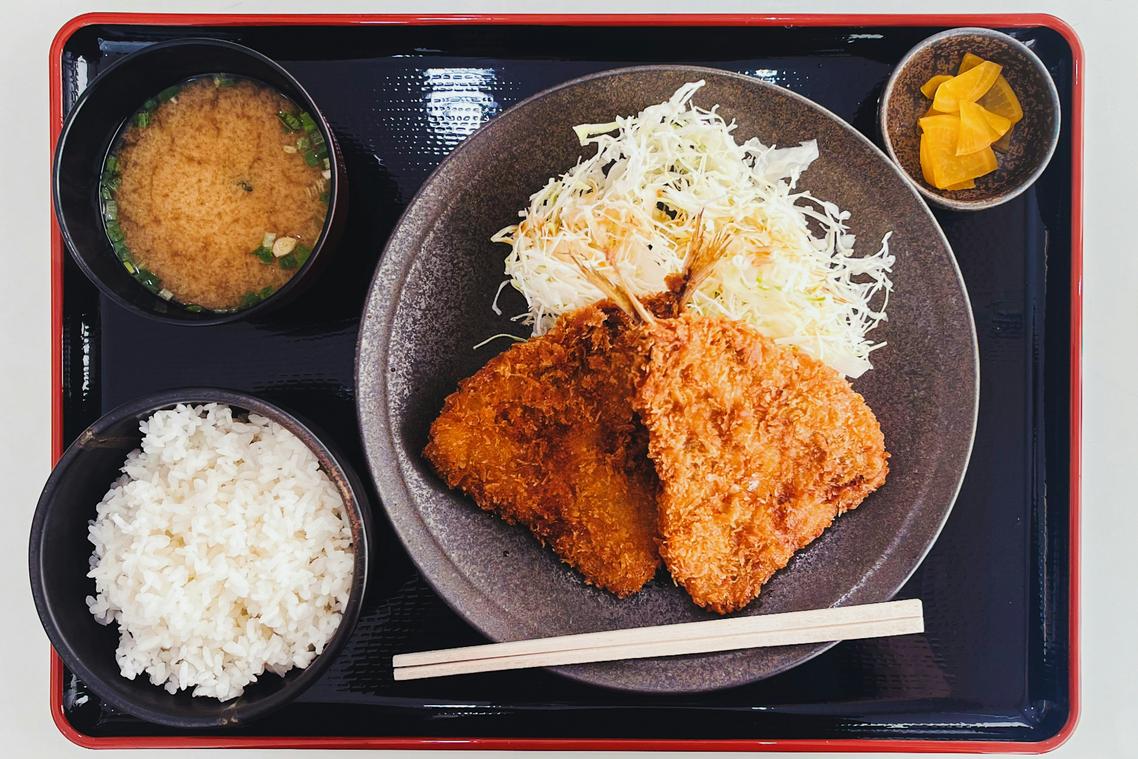
Ichijū-Sansai means “one soup, three sides.” In traditional Japanese home cooking, it’s the quiet art of balance: fluffy rice steaming in its bowl, a fragrant soup, a main protein, and two vegetable sides arranged like a small, edible landscape.
Think of it as a formula you can SEE and SMELL:
- Rice (warm, slightly sweet aroma)
- Miso soup (savory, ocean‑kissed steam)
- Main protein
- Two vegetable sides
Start with miso soup made from homemade dashi. The broth should smell gently briny; whisk in miso off the heat so it stays mellow and round. Add tofu cubes and wakame that sway like silk.
For sides, try grilled salmon (yakimono), its skin crackling softly; simmered carrots and daikon (nimono), tender and glossy; and crisp cucumber sunomono, bright with vinegar. A small bowl of edamame adds a buttery pop of green.
Put it together, and every bite feels balanced, clean, and deeply satisfying.
As you embark on your journey into traditional Japanese home cooking, you’ll discover not only the beauty of each dish but also the potential for creativity, which can lead you to explore Unexpected Flavor Pairings That Actually Work and elevate your culinary experience.
Your Culinary Journey Begins in Your Kitchen
Authentic traditional Japanese home cooking isn’t about complexity—it’s about honoring ingredients and mastering the fundamentals. By embracing washoku, stocking a simple pantry, and practicing essential techniques, you now have the tools to create balanced, meaningful meals at home. Start small: make your own dashi or prepare a simple nimono. One thoughtful dish is all it takes to begin.