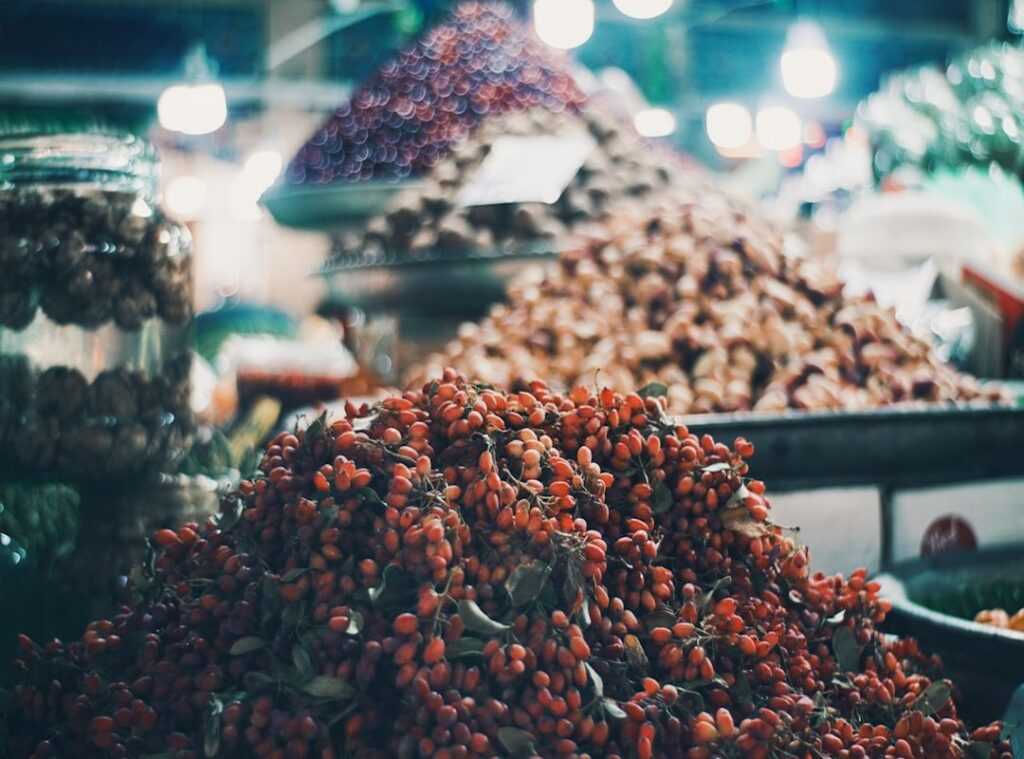
Ever stood in front of a grocery store aisle packed with Indian spices, feeling both intrigued and completely overwhelmed? You’re not alone. The Indian spices richness isn’t just about a singular ‘curry’ flavor.
It’s a lively mix of tastes that can be as complex as you want them to be. I promise, by the end of this, you’ll see them in a whole new light.
Let me share some hard-earned wisdom from years of kitchen tinkering, driven by a passion to make global cuisines accessible. We’ll break down spices into simple, understandable flavor families. You’ll learn how to pick out main flavor profiles and how they work together.
Curious about how to start using them with confidence? You’re in the right place. to the beautiful spectrum of flavors waiting for you.
The Myth of ‘Curry’: More Than Just a Spice
Let’s get something straight: “curry powder” isn’t a real thing in India. It’s a British invention that mashes together what they thought all Indian food tasted like. It’s kind of like calling every American dish “burger powder.” Ridiculous, right?
In reality, Indian cooking is all about masalas. These are unique blends of spices, each crafted for its dish. It’s not just about throwing some yellow powder on your chicken.
It’s about balancing flavors, a dance of tastes that brings out the richness of Indian spices.
Now, let’s break down those flavors. First up, Warm & Sweet. Think cinnamon and cardamom.
They add this deep, comforting warmth that feels like a hug from your grandma (if your grandma’s Indian, of course).
Then there’s the Earthy & Pungent side. Cumin, coriander, turmeric. They form the savory backbone of many dishes, grounding them.
Almost like the bassline in a good song.
Fiery & Sharp is where the heat comes in. Chilies and mustard seeds bring that kick, the kind that makes you reach for a glass of water. But not too fast! You want that buzz.
Finally, we have the Tangy & Sour elements. Tamarind and amchur (that’s dried mango powder) cut through, adding brightness. They keep things lively and fresh.
The magic? It’s not in one spice but how these flavors are layered. Each dish is a symphony.
And if you’re curious about how other cuisines balance flavors, check out the flavors mediterranean diet. Different, yet equally detailed.
Spices That Hug: Warm & Sweet Essentials
Let’s talk about the unsung heroes of comfort cooking: the “Warm & Sweet” spices. When I need something to feel like home, I reach for these. Green cardamom, cloves, and cinnamon (or cassia bark) are the real MVPs.
They’re like a warm blanket on a cold day.
Green cardamom is the perfume of the spice world. It’s aromatic and floral, with a hint of citrus. Crush a few pods and toss them into your coffee or tea.
You won’t regret it. Cardamom also features prominently in Indian spices richness, bringing fragrant depth to curries and desserts alike.
Cloves, on the other hand, have this intense, almost medicinal quality. They’re potent. Just a single clove can transform a pot of basmati rice.
Seriously, try it. They’re also key in Garam Masala, a beloved spice blend that’s often added at the end of cooking to keep its aroma intact. (A little goes a long way.)
Then there’s cinnamon and its close cousin, cassia bark. Sweet, woody, and undeniably comforting. They bring warmth to everything from apple pie to Moroccan tagines.
Use them to create a cozy background flavor that balances sharper spices. And speaking of balance, they help soften the punch in spicy dishes like a pro.
These spices aren’t just about flavor; they play specific roles in recipes. Their presence in dishes offers a comforting warmth that ties everything together. Don’t just take my word for it.
Check out this breakdown for more on their cultural significance. It’s fascinating how a few spices can change the entire mood of a dish. They do more than taste good (they) set the stage for richness and depth.
The Earthy & Savory Backbone: The Foundation of Flavor
to the unsung heroes of Indian spices. These earthy and pungent spices are truly the backbone of Indian cooking. They’re not glamorous, but man, they get the job done.
You ever wonder why your Indian curry at home lacks that punch? It’s all about the tadka.
Cumin seeds are the smoky, nutty stars. Coriander seeds? They’re citrusy and mild, but don’t underestimate them.
Turmeric is the lively golden spice that stains everything it touches, giving that peppery, earthy kick.
Now, let me clear the air on tadka. It sounds fancy, but it’s really just blooming spices in hot oil or ghee. Why bother?
Well, it releases fat-soluble compounds from the spices. That raw, dusty flavor? Gone.
Instead, you get deeply aromatic and nutty goodness.
What’s the magic formula? Heat oil in a pan. Toss in cumin seeds.
Wait for them to sizzle and pop (it’s) like a tiny fireworks show in your kitchen. Then, pour this infused oil over your dal or yogurt. You’ve just transformed your dish.
Pro tip: Don’t skip this step. It might seem like a hassle, but trust me, it makes a world of difference.
The richness of Indian spices isn’t just about adding heat. It’s about layering flavors. This foundation of flavor is key to unlocking the real potential of your cooking.
Want to see how spices work their magic in other cuisines? You might find this guide interesting. It’s a dive into discovering authentic Thai street food.
There’s always more to learn in the culinary world, isn’t there?
Heat, Tang & Zest: Adding the Unforgettable Spark
Indian spices are more than just flavor; they bring a richness that transforms dishes. But let’s talk about the fear of spice. We all know someone who’s worried about setting their mouth on fire.
The trick? Control your heat. Choose the right chilies.
Kashmiri chilies add color without the burn, while Guntur chilies bring the heat. It’s all about balance.
Ever thought about adding a tangy twist? Tamarind and Amchur are your go-tos. Tamarind offers a sweet-sour punch, cutting through heavy dishes.
Amchur, made from dried mango, adds brightness. It’s like a culinary highlighter. Try it next time your curry feels too rich.
And then there’s the wild card: Fenugreek. It’s got this bittersweet, almost maple aroma. But don’t let that fool you.
It adds a savory depth that’s hard to pinpoint. It’s like that mysterious character in a movie who steals the show. You know the one.
These spices create layers in your cooking, making sure your meals don’t fall flat. Who wants a one-dimensional dish anyway? You want contrast, complexity, that wow factor.
Remember, cooking is like painting with flavors. You need light and shadow.
So, next time you’re in the kitchen, think about how these spices can raise your dish. Spice it up, but keep it balanced. It’s all about the richness Indian spices bring.
Spice It Up Today
You’re standing at the edge of a flavorful world. Indian spices aren’t just about curry. They’re a gateway to Indian spices richness.
By focusing on flavor families and techniques like tadka, you’re ready to ditch the single-note myths.
What’s stopping you? Next time you’re shopping, grab a spice from a new category. Try it with a technique from this guide.
It’s not a leap; it’s a step. Your taste buds will thank you. Dive into this culinary diversity.
You’ll see why others rave about it.
Ready to begin? Try it out and let your kitchen adventures start now.