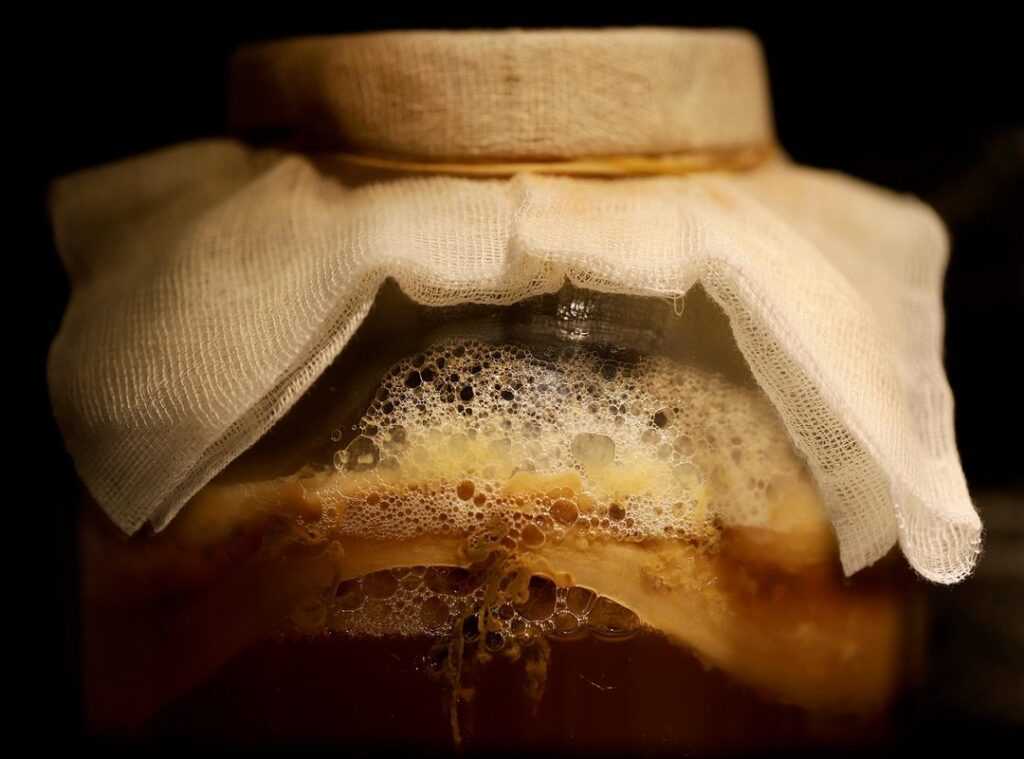
Think about watching sourdough slowly rise or tasting that perfect tang in homemade kimchi. It’s like magic, right? But let’s be real.
Cracking the code behind these flavors feels like a mystery locked away in some science lab. We love these foods, but understanding them? That’s another story.
Here’s the thing: you’re not alone in this curiosity. I get it, and that’s why we’re diving into the world of fermentation science techniques. This guide will break down the core methods from scientific research and turn them into simple, digestible ideas.
Trust me on this. I’ve got a passion for making food science accessible. By the end, you’ll understand but truly appreciate the fermented foods you already adore.
Ready to open up those secrets? Let’s get started.
Tiny Chefs in Your Kitchen: Fermentation Unpacked
Fermentation is magic. It’s letting tiny microbes do the heavy lifting. Imagine these microbes as your tiny chefs, crafting flavors from simple sugars.
They’re hard at work transforming ingredients, often while you sleep. Wild fermentation? That’s when you let nature take the wheel, like catching yeast from the air for sourdough.
It’s adventurous and unpredictable. But in science (and the commercial kitchen), we prefer control.
Why? Well, consistency is key. We need to know which microbes give us that tangy kick or smooth finish.
Understanding these fermentation science techniques helps researchers nail down the specific flavors and make sure safety. It’s precision on a different level.
But here’s the kicker: the scientific methods aren’t much different from what we do at home. They’re just sharper, more refined. Like a chef sharpening their knives to produce the perfect cut.
Fermentation is everywhere. From your homemade kombucha to the lab bench. Curious about diving deeper into food exploration?
You might want to start a food blog. A little yeast, a little bacteria, and you’ve got something extraordinary brewing. So keep experimenting.
You never know what your next culinary creation might be.
Fermentation Recipes: The Science of Flavor
Ever wonder how scientists control the magic of fermentation in their labs? It’s all about following the right recipe. Today, I’ll share the three main methods they use.
Batch Fermentation: The ‘One-Pot Wonder’ Method
These aren’t your grandma’s cookie recipes, but they pack a punch.
Imagine throwing all your ingredients into a pot, sealing it, and letting nature do its thing. That’s batch fermentation. Think about making yogurt or brewing a single batch of beer.
You toss everything in and wait. It’s simple and easy to manage.
But here’s the catch: once it’s done, it’s done. No going back. You’re all in from the start.
This method is great for small projects, but if you’re looking for more control, you might want to try something else.
Fed-Batch Fermentation: The ‘Slow and Steady Feeding’ Method
Now, if you’re like me and enjoy feeding a sourdough starter (keeping it alive feels like an accomplishment), you’ll get this. Fed-batch fermentation is like that. You start with a basic mix and add more nutrients over time.
Why? To control growth, avoid stressing the microbes, and maximize the final product.
This method gives you flexibility. You can adjust as you go, which is a huge plus. It’s like nurturing a pet over time.
You get more control and better results.
Continuous Fermentation: The ‘Never-Ending Flavor Factory’
Picture a bustling commercial kombucha brewery. Fresh ingredients go in, and the finished product comes out non-stop. That’s the beauty of continuous fermentation.
It’s all about efficiency and consistency, perfect for large-scale operations.
This method ensures a steady production line. It’s a powerhouse for those needing large volumes. If you’re curious about these fermentation science techniques, they hold the key to unlocking flavors.
These methods are the backbone of fermentation science. They each have their place, and knowing when to use each is key. So, which one would you try first?
Microbe Detective: Tools of Fermentation Science
Ever wondered how scientists know what’s happening inside a fermentation tank? It’s like detective work, but instead of trench coats, they’ve got microscopes and sensors. to the fermentation science techniques that reveal the secrets of microbes.

The High-Powered Magnifying Glass: Microscopes
First up, microscopes. These aren’t the ones you used in high school. We’re talking about high-powered tools that let researchers see which bacteria or yeast are hanging out.
Are they healthy? Are they doing their job? These microscopes are the eyes of the operation, ensuring everything looks just right.
It’s like having a camera crew inside the tank.
Then there are the digital taste buds, otherwise known as sensors and probes. Think of these as a chef’s senses transplanted into a machine. pH meters measure sourness, much like a chef tasting soup. Temperature probes make sure there’s no microbial fever, keeping things in check.
Pressure sensors? They keep an eye on the tank’s “mood,” ensuring it doesn’t explode (literally).
Now, let’s talk DNA analysis. I know, it sounds like something out of a sci-fi movie, but it’s more like mapping a microbe family tree. DNA sequencing creates a who’s who guide to the microbial community.
This helps identify which strains are crafting that perfect flavor or texture. It’s like having a flavor GPS.
If you’re into this kind of culinary detective work, you might also like food photography tips beginners, especially if you’re capturing the essence of your kitchen experiments.
These tools aren’t just for show. They’re key for understanding and perfecting the art of fermentation. Without them, we’d be in the dark about why certain batches taste divine while others flop.
So next time you sip on a craft beer or bite into some artisanal cheese, remember the unsung heroes: the fermentation detectives.
From the Lab to Your Lunchbox: Science Shapes What We Eat
Ever wonder how the bread in your sandwich got so fluffy? It’s not just grandma’s secret recipe. Research into specific yeast strains has led to better, more consistent bread (and yes, craft beer too).
It’s all about using fermentation science techniques to tweak and twiddle until perfection is achieved. You might not taste science, but you sure taste its results.
Flavor innovation is another fascinating area. Scientists are busy discovering new flavor compounds that transform the mundane into the extraordinary. Imagine new types of miso or tempeh that make your tastebuds do a happy dance.
Or plant-based cheeses that actually taste like cheese (finally!). That’s the magic of science, taking the ordinary and making it extraordinary.
Safety is another area where research shines. No one wants to munch on a side of food poisoning. That’s why scientists work to make sure fermented products like sauerkraut and kimchi are both delicious and safe.
It’s a balancing act, creating flavor without compromising safety, which is key.
Bean-based fermentations are also having a moment. Tempeh, miso, and fermented bean pastes are hot topics in research. These aren’t just buzzwords; they’re a culinary trend that’s taken off.
Science is directly connected to what ends up on our plates, influencing flavor, texture, and even nutrition.
So next time you’re savoring that artisanal bread or exotic dip, give a nod to the researchers. They’re the unsung heroes of your culinary delight. And yes, they probably saved you from a bad case of food poisoning too.
Dive Into Flavorful Creations
We’ve explored how fermentation science techniques aren’t just for scientists. They’re for anyone curious about making tasty, complex foods. Knowing why these methods work deepens your love for fermented goodies like kimchi and sourdough.
So, why not take this a step further? Try your own simple fermentation project at home. It’s easier than you think and could be your new favorite hobby.
Need more guidance? Check out our other articles. They’re packed with tips and tricks for every flavor explorer.
Ready to start? Grab your jars and get fermenting. Experience the magic for yourself.
Your taste buds will thank you.