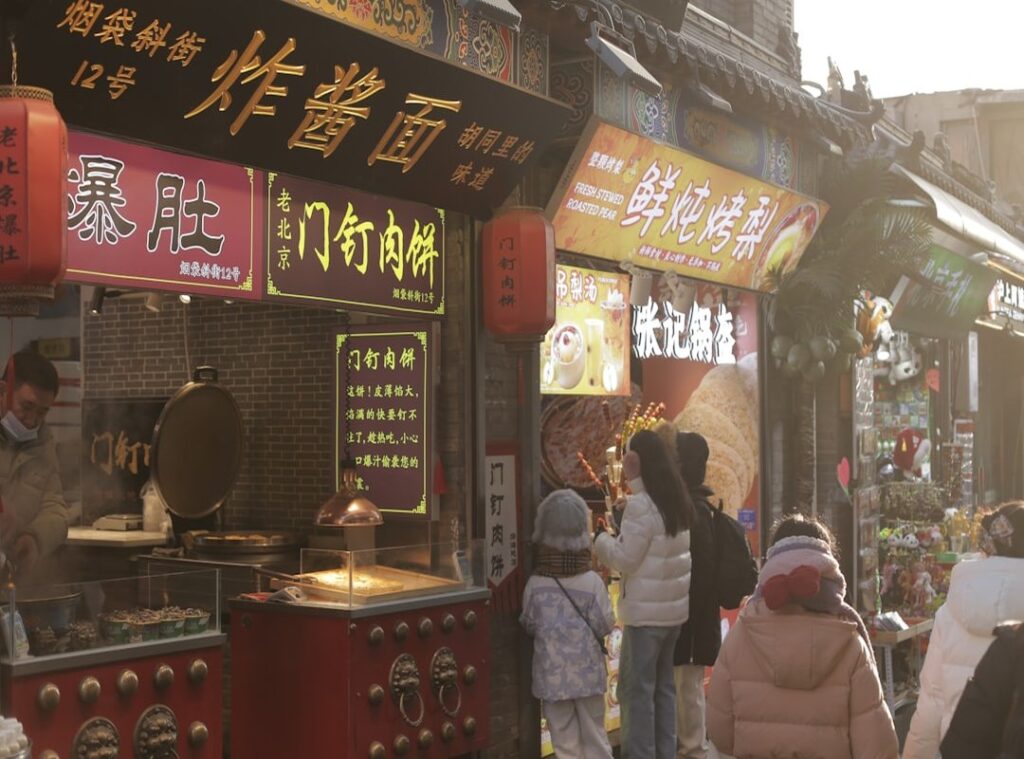
The sizzle of woks and the scent of charcoal fill the air of a Bangkok street food market at dusk. You hear it, smell it (it’s) intoxicating. Yet, so many have only tasted watered-down versions of Thai food.
Boring, right? Those Western dishes miss the lively and complex soul of authentic Thai street food.
I’ve dug deep into the core principles of Thai flavor balance, spending time in the bustling markets myself. This isn’t just about what to eat; it’s about transforming your next Thai meal into a cultural experience. You’re not just following a guide; you’re diving into a world of flavors that most miss.
By the end, you’ll know how to find and appreciate the real deal, not just some impostor on a plate. Ready to change your dinner game? Let’s dig in.
The Soul of the Street: Defining Genuine Thai Cuisine
What makes food authentic? It’s not about a single dish. It’s a philosophy of flavor.
When I think about authentic Thai street food, the “four pillars” of Thai taste come to mind. You know them: sweet, sour, salty, and spicy. Each one important, each one a character in a culinary story.
Palm sugar brings the sweet, lime or tamarind adds sour, fish sauce gives that salty kick, and fresh chilies (yes, fresh only) provide the spice.
Texture plays its part too. Imagine a hot, crispy pork belly paired with cool, fresh herbs. Or a chewy noodle swimming in a silky broth.
It’s about those contrasts that keep your taste buds guessing.
But let’s talk ingredients. Fresh, local, lively. This is where the magic happens.
Morning-market herbs and hand-pounded curry pastes are the heartbeats here. They contrast sharply with pre-made pastes or imported ingredients, which just can’t compete. If you’re not at the market at dawn, are you even trying?
Street stalls are a world of their own. Cooking methods here are unique. The intense, smoky flavor from a charcoal grill (wok hei) is something you can’t replicate easily.
Then there are dishes like boat noodles or crispy crepes (specialized) techniques mastered on these bustling streets.
For a taste that dances between tradition and innovation, check out Japanese Cuisine Beyond Sushi. They know how to push boundaries while keeping it real.
So, when you bite into that street food, ask yourself: is this genuine? Can you taste the story? Because that’s what authenticity is all about.
A Taste Adventure: Iconic Dishes Beyond the Usual
For the noodle lover, let’s dive into Kuay Teow Reua. Ever heard of boat noodles? It’s got this rich, complex broth made from pork blood.
Sounds intense, right? But trust me, it’s a flavor bomb. This dish has history.
Back in the day, vendors would sell it from boats in Bangkok’s canals. They serve it in small bowls for a reason (easier) to manage on a rocking boat. Now, even if you’re not on a boat, it’s still part of the experience.
Heading to the grill now. Moo Ping screams street food. These grilled pork skewers are marinated in coconut milk and spices. You get this caramelized, tender, smoky flavor.
It’s like a smoky hug. And don’t forget the sticky rice. Important.
You’re not eating Moo Ping right without it. You can dive deeper into the world of street eats at the top 16 bangkok street food sanctuaries. It’s a journey worth taking.
For those who crave something fresh, Laab is your guy. This spicy minced meat salad is more than a salad. Lime, mint, chili (each) bite is a zesty explosion.
The toasted ground rice adds a nutty crunch, bringing it all together. Born in the Isan region, it’s authentic Thai street food at its best. You can almost feel the sun and spice of the region with every mouthful.
Finally, to satisfy your sweet tooth, Khanom Krok. These coconut-rice pancakes are an indulgent treat. Crispy on the outside, custardy on the inside.
Sweet and salty mingle in perfect harmony. It’s pure joy in a bite-sized pancake. I’m telling you, once you try them, you’re hooked.
You’ll find yourself wandering street markets just for these little delights.
Eat Like a Local: Street Stall Secrets
Eating authentic Thai street food is like stepping into a world of flavors. But you know what really makes it stand out? The Kruang Prung (that’s) the condiment caddy you’ll find on every table.

Four essentials: sugar, dried chili flakes, chili vinegar, and fish sauce. Think of them as your toolkit for customizing each dish. Feeling bold?
Add chili flakes. Need a balance? A pinch of sugar works wonders.
Now, let’s talk ordering. You might be tempted to go all out on spice, but let me warn you, “Thai spicy” is no joke. Start with “mai pet” (not spicy) and work your way up.
Maybe you want a challenge? Try “pet nit noi” for a little heat. If you’re daring, “phet mak” will set your tastebuds on fire.
Street food etiquette is a culture of its own. You pay after you eat (no rush, but don’t dawdle either). Pointing at food is not rude here.
It’s necessary. The pace is quick, the vibe is communal. Sharing a table with strangers isn’t weird; it’s encouraged.
Curious about other global cuisines? For a different flavor experience, explore the Flavors Mediterranean Diet. It’s another culinary journey worth taking.
Pro tip: Always carry small bills. It keeps things smooth with vendors and saves you the hassle of making change. So, are you ready to dive into the street food scene?
Trust me, once you start, you’ll wonder how you ever lived without it.
Hidden Gems & Modern Tastes: Plant-Based and Regional Delights
Let’s talk about authentic Thai street food. You might be surprised by the abundance of vegetarian and vegan options. Ever heard of ‘jay’ food?
Those little yellow flags mean it’s vegetarian (handy when you’re hunting for plant-based dishes). You see, Thai street food isn’t just about the meat. It’s a hidden gem of plant-based delights.
Take ‘Tao Hoo Song Kreung’ for instance. Mixed tofu dishes that are flavorful and satisfying. Or how about a mushroom-based ‘laab’?
It’s a spicy, tangy salad that even meat-lovers can’t resist. And don’t forget the legumes. They’re not just filler; they’re stars of the show in dishes like ‘Tua Pap’, which are mung bean rice crepes.
And for dessert? Black bean sweet sticky rice. Sounds strange?
Trust me, it’s delicious.
Now, let’s step outside Bangkok. Ever try ‘Khao Soi’? It’s a Northern Thai specialty with a creamy curry coconut broth, soft egg noodles, and crispy noodle topping.
It’s a textural delight (and makes you feel like a culinary explorer). These regional specialties show that authentic Thai street food offers more than what meets the eye. It’s about variety, tradition, and surprise.
Dive Into Real Thai Flavors
I get it. You’ve dodged the tourist traps, craving authentic Thai street food. You’re done with bland dishes pretending to be the real thing.
With this guide, you now hold the key to open up those bold, lively flavors straight from the bustling streets of Thailand. Why settle for watered-down versions when you know the philosophy behind every dish?
It’s not just about ticking foods off a list. It’s about tasting life as the locals do. So, what’s next?
Dive deeper into your culinary journey. Find that hidden gem of a Thai restaurant in your city. Or take it to the next level and explore other global cuisines right here.
Don’t just dream about it. Make your next meal an adventure.