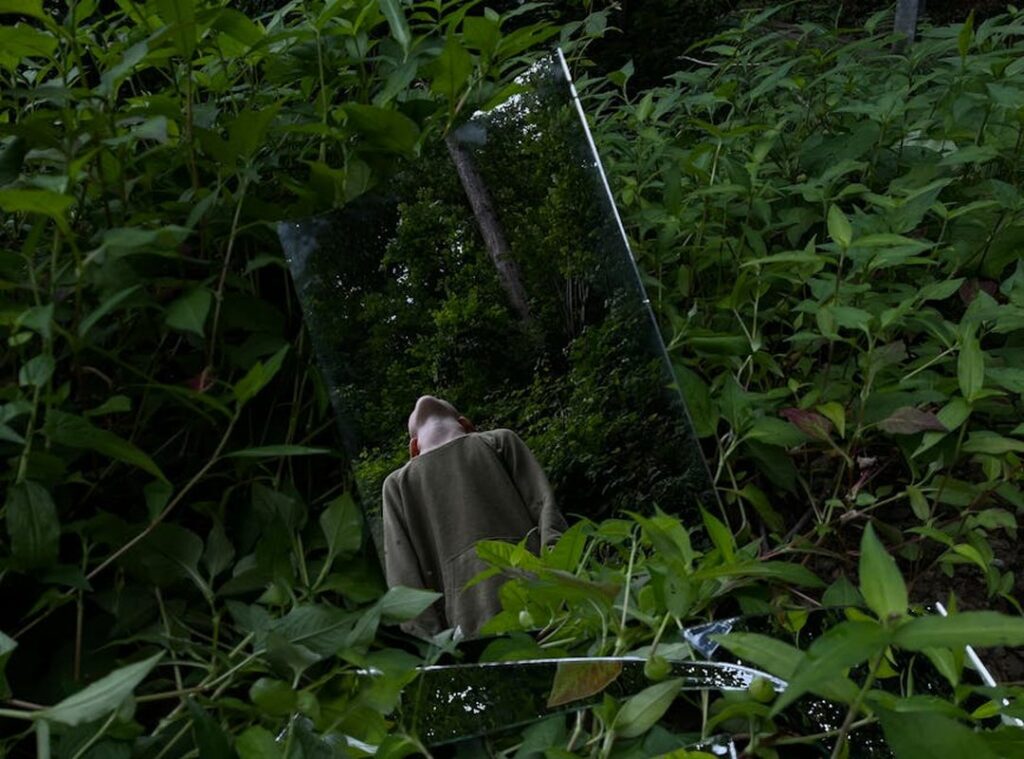
A mirror reflects not a face, but a cascade of flowers, a strategically placed leaf, or the soft glow of golden hour light. It’s a different kind of selfie, one that speaks to something deeper.
Are you tired of the same old selfies? I get it. Sometimes, you just want to share a moment without showing your face.
That’s where the faceless nature boy mirror selfie aesthetic comes in. It’s all about capturing the mood and beauty of nature, not just your features.
This style is more than a trend. It’s a way to express creativity and connect with the natural world. And let’s be honest, it’s a refreshing break from the usual.
In this guide, I’ll show you how to master this unique style. We’ll cover everything from finding the right natural props to using light and shadow to create a sense of mystery and beauty.
Think of your reflection as a canvas, and nature provides the paint. Let’s dive in and see what we can create.
Deconstructing the Aesthetic: Core Elements of a Nature-Inspired Shot
Let’s talk about the faceless nature boy mirror selfie aesthetic. Some might argue that this style is just a fad, but there’s more to it than meets the eye.
Intentional anonymity is at the heart of this trend. It’s about creating a sense of mystery and letting the natural elements take center stage. You can obscure the face with a bouquet, a single large leaf, or even deep shadows.
Some people might say it’s too artsy. But think about it—this approach shifts the focus from the person to the environment. It’s not just about hiding; it’s about blending in.
Natural props are key. Sure, flowers are great, but why stop there? Dried pampas grass, intricate branches, seasonal fruit, or even reflective water in a vase can add unique textures and colors.
Mirrors play a crucial role too. Different styles—vintage, ornate, minimalist, frameless—can dramatically change the photo’s mood. A vintage mirror can give a nostalgic feel, while a minimalist one keeps things clean and modern.
The color palette is all about earthy tones, muted greens, warm ochres, and soft whites. These colors mimic natural landscapes, making the shot feel organic and grounded.
Texture adds depth. The veins of a leaf, the grain of a wooden mirror frame, or the softness of a linen background—all these little details make the image come alive.
In the end, this style is a delicate balance between a self-portrait and a still life. The person is a component of the composition, not the sole focus. It’s about being part of the scene, not dominating it.
Harnessing Natural Light to Sculpt Your Scene
The golden hour, the first hour after sunrise and the last hour before sunset, is the ideal time for shooting. It creates soft, warm, and flattering light that can make any scene look magical.
Position your subject during this time to capture the best natural glow.
Indoors, you can create dappled light by positioning a mirror near a window with a leafy plant. This setup reflects and scatters the light, adding a natural, textured feel to your photos.
Another option is to use a sheer, textured curtain to diffuse harsh sunlight. This simple trick can turn a bright, overexposed room into a softly lit, cozy space.
Shadows can be your best friend in photography. Use the shadow of a plant, your phone, or even your own body to add depth and mystery. This can also help obscure your identity, giving a faceless nature boy mirror selfie aesthetic.
Direct, hard light, on the other hand, creates sharp lines and high-contrast shadows. This can give your photos a bolder, more dramatic look. Experiment with both to see which style suits your vision.
Try different windows in your home at various times of day. Notice how the light changes and what mood it creates. This can help you plan your shots and get the most out of natural light.
Taking a small mirror outdoors into a garden or wooded area can capture the most authentic natural light and background. This adds a touch of the outdoors to your indoor scenes, making them feel more connected to nature.
Pro tip: Always keep a small mirror handy. It can transform the way you use natural light in your photography.
Composition and Framing: Arranging Your Natural Elements
When it comes to taking a great photo, the Rule of Thirds is your best friend. Place the mirror or the main natural element off-center. It creates a more dynamic and visually interesting photo.
Trust me, it makes a huge difference.
A non-distracting background is key. Use simple backdrops like a plain wall, a textured blanket, or a clean wooden floor. This way, the subject stands out.
No one wants to look at a cluttered mess, right?
Layering adds depth and complexity. Try placing some natural elements in front of the mirror and others in the reflection. It gives the image a sense of dimension.
Here are some specific composition ideas:
– A single, elegant branch arching over the mirror.
– A dense cluster of flowers held like a shield.
– Hands holding the mirror with foliage reflected within.
The camera angle matters too. Shooting from slightly above, below, or to the side can alter the perspective and the story the image tells. Experiment and see what works best for you.
Faceless nature boy mirror selfie aesthetic. It’s all about the vibe and the connection with nature.
Once you understand the rules, feel free to break them. Play with asymmetry, negative space, and unconventional framing. It’s how you find your unique style.
Oh, and if you’re into sustainable living, check out food sustainability practices for home cooks. It’s a great way to bring that eco-friendly mindset into your photography.
The Final Touch: Editing for an Earthy, Timeless Feel
Editing can make or break a photo, and but it’s not about overdoing it. It’s about enhancing the natural beauty.
- Lower the saturation slightly. This mutes overly bright colors and gives a more organic feel.
- Increase the warmth. A little warmth can give your photo that golden-hour glow.
- Decrease the contrast. This softens the image, making it dreamier and more inviting.
Adding a subtle grain effect can really elevate the photo. It gives it a timeless, film-like quality that complements the earthy subject matter.
Color grading is key. Focus on enhancing the greens, browns, and oranges. Keep skin tones natural, even if only hands are visible.
This maintains the organic look.
Popular and user-friendly editing apps like VSCO (try filters like A6 or M5) or the free version of Adobe Lightroom Mobile can help. These tools offer precise adjustments to get the look you want.
The goal of editing? Unify the elements and solidify the mood captured in the original shot.
Think of it as the faceless nature boy mirror selfie aesthetic. It’s all about simplicity and natural beauty.
Your Canvas Awaits: Crafting Your Own Anonymous Self-Portrait
You’ve embarked on a creative journey, learning the key techniques to capture the faceless nature boy mirror selfie aesthetic. This style is all about celebrating nature and creativity, using your reflection as a part of a larger artistic composition.
This week, find one piece of nature that inspires you—a flower from your garden, an interesting leaf from the park—and create your first shot.
Embrace the beauty in subtlety and mystery. Let your self-expression go beyond the conventional selfie.