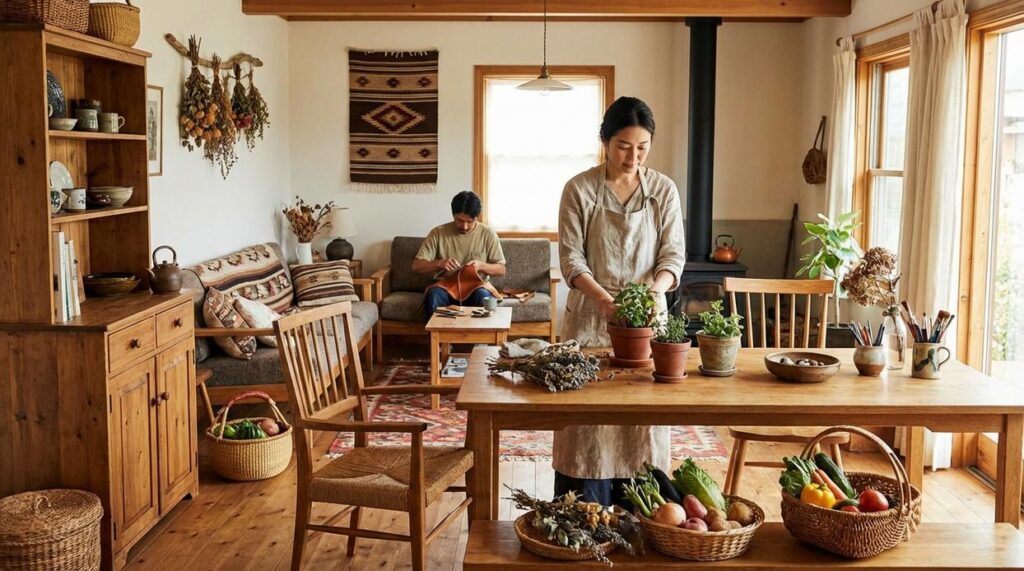
Curious about what’s shaping today’s food scene and how to bring those flavors into your own kitchen? This article dives straight into the culinary buzz driving menus, social feeds, and home cooking trends right now. From the rise of artisanal ingredients popularity to inventive bean-based recipes and global flavor crossovers, we break down what’s trending—and why it matters for your plate.
Many home cooks and food enthusiasts struggle to separate fleeting fads from meaningful shifts in how we cook and eat. Here, you’ll find a focused look at emerging flavor profiles, practical kitchen hacks, and ingredient innovations that are actually influencing everyday meals.
Our insights are grounded in ongoing culinary research, trend analysis, and hands-on recipe testing to ensure you’re getting accurate, relevant, and actionable information. Whether you’re experimenting with global cuisine or elevating simple pantry staples, this guide will help you stay ahead of the curve with confidence.
From Earth to Table
Open a supermarket jam and you get predictable sweetness. Open a handcrafted jar and you notice texture, fruit, maybe a hint of lemon zest that tastes like summer. That difference is the point.
Modern production often favors shelf life over flavor, widening the gap between eater and origin. Some argue convenience matters more. Fair. But when ingredients are picked ripe and cooked in small batches, transparency improves and taste follows.
Here’s my recommendation:
- Choose seasonal, small-batch goods from makers whenever possible.
The rise in artisanal ingredients popularity signals a return to trust, story, and genuine flavor.
The Science of Slow: How Handcrafting Unlocks Deeper Flavors
I still remember the first time I tasted a tomato sauce that had simmered for six hours. The sweetness felt layered, almost orchestral (yes, food can have a soundtrack). That experience changed how I think about slow food—a movement that prioritizes time-intensive preparation to enhance flavor.
Beyond Mass Production
Industrial food production often relies on high heat and artificial preservatives to speed output and extend shelf life. High heat processing means cooking at elevated temperatures to reduce time, but it can flatten flavor by degrading delicate compounds. In contrast, artisanal techniques—like slow fermentation (a gradual microbial process that develops acids and aroma compounds), cold pressing, and sun-drying—allow ingredients to evolve naturally.
Some argue mass production is necessary to feed growing populations affordably. That’s fair. But efficiency often sacrifices nuance. Think of it like streaming a compressed song versus hearing it live on vinyl—both work, but one has depth.
Ingredient Integrity
Volatile compounds are tiny molecules responsible for aroma and complex taste. They evaporate or break down under extreme heat. Handcrafted methods preserve these compounds, maintaining ingredient integrity and enhancing artisanal ingredients popularity among discerning cooks.
Case Study – Vanilla Extract
Commercial vanilla flavoring often uses synthetic vanillin. It tastes sweet but one-dimensional. A slow-infused extract made from whole vanilla beans steeped in alcohol for months develops layered notes—floral, smoky, even slightly woody.
Case Study – Bean-to-Bar Chocolate
Large-scale chocolate production blends beans from multiple regions, masking terroir (regional flavor identity). Small-batch bean-to-bar makers roast and grind carefully, preserving fruity, nutty, or earthy notes unique to origin. Once you taste the difference, it’s hard to go back.
The Trust Factor: Connecting with the Story Behind the Product
Transparency in a Bottle
First, transparency matters. When you buy an artisanal jar of tomato sauce or a small-batch olive oil, you often know the farm, the region, even the harvest date. That clear line of sight—from soil to shelf—builds trust. According to a 2023 Food Marketing Institute report, 65% of shoppers say transparency influences purchasing decisions. Critics argue that large brands can be transparent too—and that’s true. Yet smaller producers often make traceability their headline feature, not fine print.
The Power of Narrative
Just as importantly, story sells. Buying a loaf from a third-generation baker or beans grown on a family farm taps into what psychologists call narrative transportation—the tendency to connect emotionally with stories. It’s why people line up for limited-edition releases (yes, even like sneaker drops). Supporting a face, not a faceless brand, feels personal.
Perceived Quality and Health
Then there’s the belief that handcrafted equals healthier. Many consumers associate small-batch goods with:
- Fewer additives
- Cleaner labels
- Traditional methods
Skeptics point out that “artisanal” isn’t a regulated term. Fair. Not every rustic label guarantees superior nutrition. Still, studies in Appetite Journal (2022) show consumers consistently rate handcrafted foods as higher quality, even in blind tests.
Building Community
Finally, farmers’ markets and local shops become social hubs. They turn transactions into conversations. In the same way the comeback of retro comfort foods in contemporary cuisine revives shared memories, artisanal ingredients popularity strengthens shared spaces—reminding us that food is connection, not just consumption.
Bringing Artisanal Home: Simple Ways to Embrace the Handcrafted Ethos
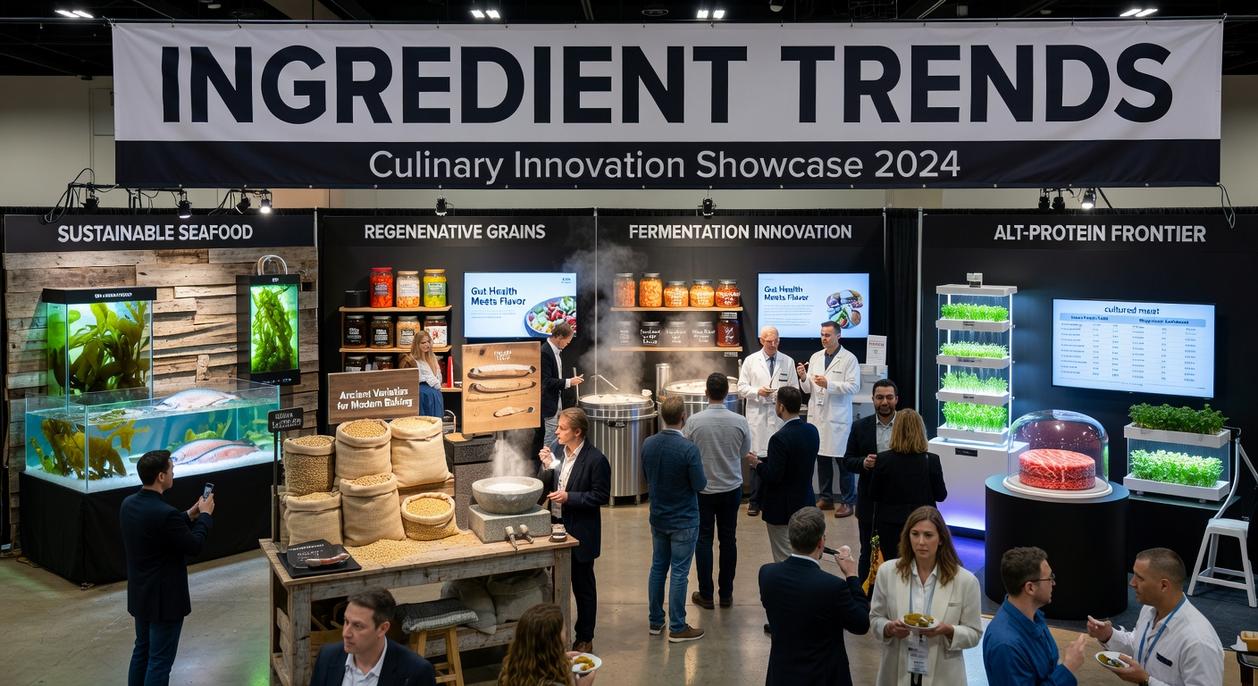
Some people think “artisanal” means expensive, rare, or reserved for chefs with tweezers. I disagree. At its core, artisanal simply means made in small batches with intention and quality ingredients (not mystical fairy dust). And yes, while artisanal ingredients popularity keeps rising, you don’t need a boutique pantry to start.
Start with Infusions
First, try infused oils. Warm olive oil gently, then add smashed garlic, rosemary sprigs, or dried chili. Let it steep off heat for 30–60 minutes, strain, and store in the fridge. An infusion is just a method of transferring flavor into fat or liquid. Drizzle rosemary oil over roasted potatoes and suddenly Tuesday dinner tastes like a countryside escape.
The Magic of Pickling
Next, quick-pickle vegetables. Combine 1 cup vinegar, 1 cup water, 1 tablespoon sugar, and 2 teaspoons salt. Pour over sliced cucumbers or red onions. In 30 minutes, you’ve transformed sharp, raw produce into bright, tangy crunch. Pickling works through acidity, which preserves and reshapes flavor. It’s culinary alchemy (minus the lab coat).
From Scratch Sauces
Now, about jarred tomato sauce. Convenient? Absolutely. Comparable to slow-simmered crushed tomatoes, garlic, and olive oil for 45 minutes? Not even close. Slow cooking concentrates natural sugars and deepens umami—the savory richness that makes food satisfying.
Sourcing Matters
Finally, source well. Farmers’ markets, specialty grocers, or your own herb pot can elevate everything. Better inputs equal better outputs. It’s less about trend-chasing—and more about taste.
Crafting a More Flavorful Future, One Ingredient at a Time
The shift toward handcrafted food isn’t random. It’s fueled by three core drivers: a craving for superior flavor, a demand for transparency, and a deeper desire to feel connected to what’s on our plates. In a world of barcodes and factory lines, the rise of small-batch ferments, stone-ground flours, and slow-simmered broths is a quiet rebellion.
At its heart, artisanal ingredients popularity reflects a response to the impersonal nature of industrial food systems. Critics argue mass production keeps food affordable and consistent—and they’re right. But consistency isn’t character. A farmers’ market tomato tastes different because it is different (and that’s the point).
What competitors often miss is how this movement builds practical skill:
- Reviving lost preservation methods
- Encouraging ingredient literacy
- Inspiring new food artisans
This week, visit a local market with fresh eyes—or try fermenting, roasting, or soaking from scratch. Taste the difference firsthand.
Bringing Bold Bean Flavors Into Your Kitchen
You came here looking to understand the latest flavor trends, creative kitchen hacks, and how bean-based innovations are reshaping everyday meals. Now you’ve seen how global inspiration, smart techniques, and the rise of artisanal ingredients popularity are transforming simple pantry staples into standout dishes.
If you’ve been stuck making the same repetitive recipes—or struggling to keep up with evolving food trends—you’re not alone. Cooking fatigue is real. The good news? A few strategic ingredient swaps and globally inspired bean recipes can instantly elevate your meals without complicating your routine.
Now it’s your move. Start experimenting with one new bean-based recipe this week. Explore trending flavors. Upgrade your pantry with high-quality, artisanal ingredients. And if you want reliable, buzz-worthy inspiration trusted by a growing community of food lovers, dive into our latest recipes and kitchen guides today.
Your next unforgettable dish is just one bold bean away.