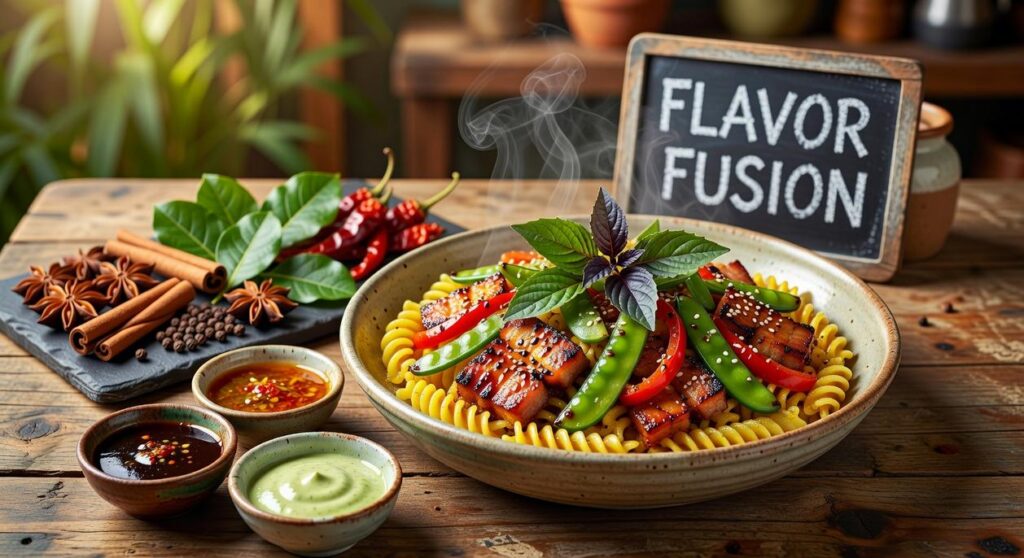
If you’re searching for fresh culinary inspiration, trending flavor ideas, and creative ways to elevate everyday meals, you’re in the right place. This article dives straight into what’s shaping today’s food scene—from global cuisine influences to smart kitchen hacks that save time without sacrificing taste. We explore standout bean-based innovations and unexpected combinations like dark chocolate and black beans and miso and maple syrup, showing you exactly how to use them in practical, delicious ways.
Our insights are grounded in hands-on recipe testing, trend analysis across global food markets, and conversations with professional chefs and home cooks who are redefining modern comfort food. Instead of vague inspiration, you’ll find clear explanations, flavor logic, and ready-to-try ideas.
Whether you want to experiment with bold new tastes or refine your weeknight staples, this guide breaks down the trends, techniques, and pairings that truly deliver—so you can cook with confidence and creativity.
Unlocking Your Palate: A Guide to Unexpected Flavor Pairings
The most memorable dishes surprise you (in a good way). If you’re stuck using salt, pepper, and garlic on repeat, it’s time to understand why certain flavors click.
Flavor pairing is the idea that ingredients sharing key aroma compounds—chemical elements that create smell and taste—often work well together. Think of it as culinary compatibility.
For example, dark chocolate and miso balances sweet, bitter, and savory because both contain rich, roasted notes.
• Contrast (sweet + heat)
• Complement (earthy + nutty)
Once you see the pattern, experimenting feels less risky—and way more delicious.
The Science of Taste: Why Unlikely Pairings Work
Before we get adventurous, let’s clarify the basics. Our tongues detect five core tastes: sweet (sugars), sour (acidity), salty (minerals), bitter (often plant compounds), and umami (savory depth found in foods like mushrooms or cheese). Great dishes aim for balance—no single taste overwhelms the others.
The Principle of Contrast is simple: opposites excite the palate. Think sweet with sour or salty with sweet. That tension creates energy in each bite (like a flavor plot twist). Classic examples include pineapple on pizza or even dark chocolate and blue cheese.
The Principle of Complementation sounds technical, but it just means ingredients share aromatic compounds—tiny scent molecules that shape flavor. Tomato and mozzarella work because they overlap in key aroma notes.
- Creamy + crunchy keeps bites interesting
- Warm + cool adds dimension
Texture matters as much as taste (because nobody craves monotone mush).
Sweet & Savory: A Masterclass in Delicious Contradictions
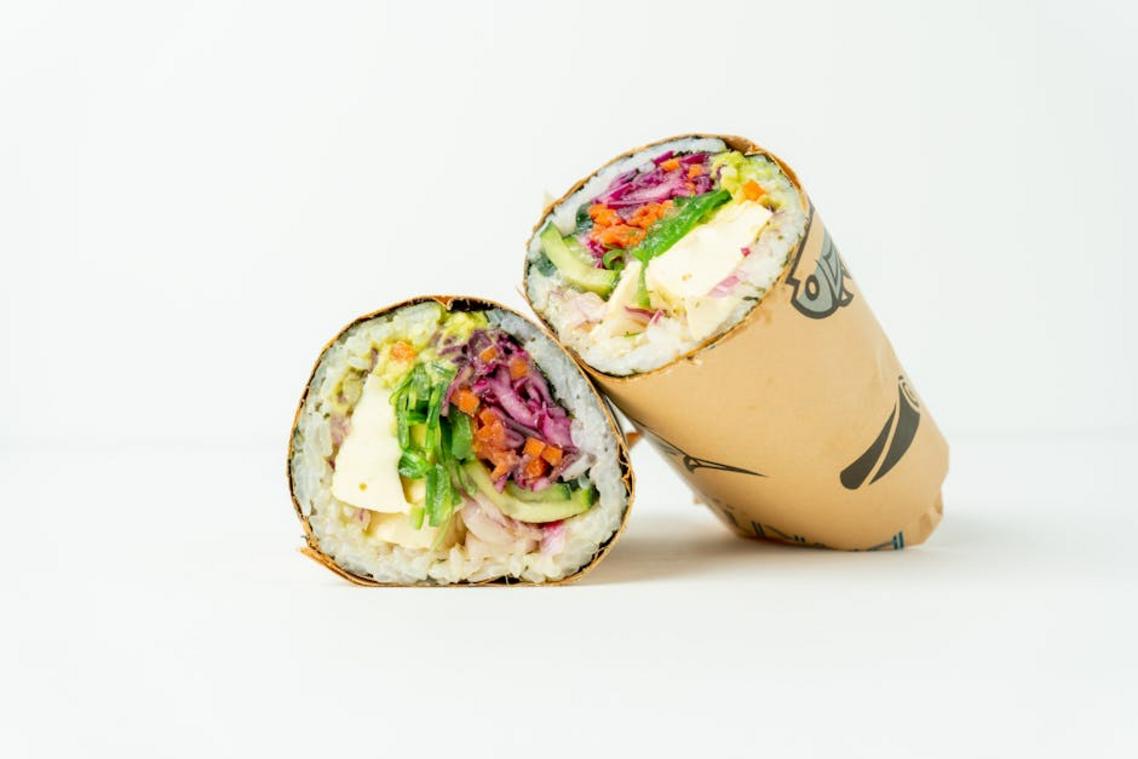
Great flavor is about CONTRAST. When sweetness meets salt, heat, or earthiness, your palate lights up—because opposing tastes amplify each other. (Think of it as the culinary version of an unlikely buddy-cop movie.) Here’s how four pairings work, down to the delicious details.
Pairing #1 – Strawberry & Black Pepper
Black pepper contains piperine, a compound that heightens taste perception and subtly boosts perceived sweetness. That means strawberries taste MORE like strawberries. Freshly cracked pepper over sliced berries, a splash of balsamic, and you’ve got a glaze-worthy salad topper. Or try it on goat cheese crostini—the pepper bridges creamy tang and bright fruit.
Pairing #2 – Watermelon & Feta
This Mediterranean staple balances juicy sweetness with salty, briny cheese. Feta’s sodium sharpens watermelon’s refreshing crunch, making each bite cleaner and more vibrant. Add torn mint and olive oil for a summer salad that hydrates and satisfies.
Pairing #3 – Dark Chocolate & Black Beans
Sounds unconventional, but black beans bring dense texture and mild earthiness to chocolate desserts. Their starches create a fudgy crumb while muting bitterness in high-cacao bars. Blend into brownie batter for fiber-rich structure without excess flour.
Pairing #4 – Honey & Spicy Sausage
Honey caramelizes under heat, glazing sausage with glossy sweetness that tames spice and enhances savory fat. Drizzle over pizza or roasted links for a sticky, balanced finish.
• Sweet intensifies salt.
• Heat magnifies sugar.
• Texture transforms flavor.
Opposites don’t just attract—they DELIVER.
Earthy Meets Acid: Awakening Deep Flavors with a Bright Kick
Earthy flavors are grounding, savory, and often umami-rich—that deep, satisfying taste identified as the “fifth taste” by Japanese chemist Kikunae Ikeda in 1908. But earthiness without contrast can feel heavy (like a stew that naps before you do). The fix? Acid.
As one chef told me, “If a dish tastes flat, it probably needs brightness.” That brightness usually comes from ingredients high in acid—think citrus or tart fruits—which stimulate saliva and sharpen perception of flavor (Harvard T.H. Chan School of Public Health notes acid enhances overall taste balance).
Four Pairings That Prove the Point
Pairing #1 – Mushroom & Lemon: Earthy, umami-rich mushrooms can taste heavy, but a squeeze of lemon juice brightens the entire dish, adding freshness and complexity. Ideal for risottos, pastas, and sautéed side dishes.
Pairing #2 – Lentils & Pomegranate: A staple in Middle Eastern cuisine. The robust, earthy flavor of lentils is perfectly complemented by the tart, juicy burst of pomegranate seeds, which also add a wonderful textural pop.
Pairing #3 – Beetroot & Orange: The deep, earthy sweetness of beets is lifted and balanced by the bright, sharp acidity of orange. Works beautifully in roasted vegetable salads, juices, or as a base for a vinaigrette.
Pairing #4 – Turmeric & Grapefruit: The musky, slightly bitter notes of turmeric are cut by the sharp, zesty flavor of grapefruit, creating a powerful anti-inflammatory and invigorating combination for juices or marinades.
A home cook once said, “I thought my lentil salad was boring—until I added pomegranate. It woke up.” Exactly.
If you want to master this interplay, read this guide on how to balance sweet salty sour and umami like a chef.
(Pro tip: add acid at the end of cooking to preserve its punch.)
Kitchen Hacks for Your Flavor Experiments
Flavor experiments don’t require a culinary degree—just curiosity and a few SMART tweaks.
Start Small. Instead of reinventing dinner, upgrade what you already cook. Add smoked paprika to scrambled eggs or a squeeze of lime to chicken soup. Small shifts prevent overwhelm (and save you from tossing a full pan if things go sideways).
Use the Smell Test. Your nose is your built-in flavor compass. If two ingredients smell harmonious, they’ll likely taste balanced together. Try smelling basil and lemon side by side before adding them to pasta.
Create Infusions. Warm olive oil gently with garlic or chili flakes to extract flavor, then cool and strain. Drizzle over pizza or roasted vegetables for an EASY boost.
Balance Is EVERYTHING. Heat needs cool (think yogurt), richness needs acid (like vinegar). Even bold combos like strawberry and black pepper work when sweetness meets subtle heat.
Pro tip: Keep notes on what works—your future self will thank you.
Your culinary adventure starts now. Staying comfortable keeps flavors predictable; stepping out creates contrast and complementation—the art of pairing opposites or enhancing similarities for balance. Think A vs B: safe roasted carrots, or roasted carrots with miso caramel and green apple. One is pleasant. The other is unforgettable (and yes, a little bold).
You now have the foundation. Time to act:
- Choose one pairing that surprises you.
- Taste as you go.
- Adjust boldly but thoughtfully.
Comfort cooking fills you. Curious cooking transforms you.
Pick one combination this week and try it. Trust your palate. Have fun. Reinvention starts at your stove.
Bring Bold Bean Flavors to Your Kitchen
You came here looking for fresh inspiration, creative flavor trends, and smarter ways to make beans the star of your meals. Now you’ve got the tools, ideas, and confidence to turn everyday ingredients into unforgettable dishes.
Boring, repetitive meals are the real frustration. The same tired recipes. The same predictable flavors. But when you start experimenting with dark chocolate and black beans, lemon zest and white beans, or smoky chipotle and maple pinto beans, your kitchen transforms into a space of bold, global creativity.
The next step? Put one new pairing on your table this week. Try a trend-forward recipe, test a new technique, and build your own signature twist.
If you’re ready to break out of bland and cook with confidence, explore more flavor-forward ideas and trending bean innovations with us. We’re a top-rated source for culinary buzz and creative kitchen hacks—discover your next favorite dish today.