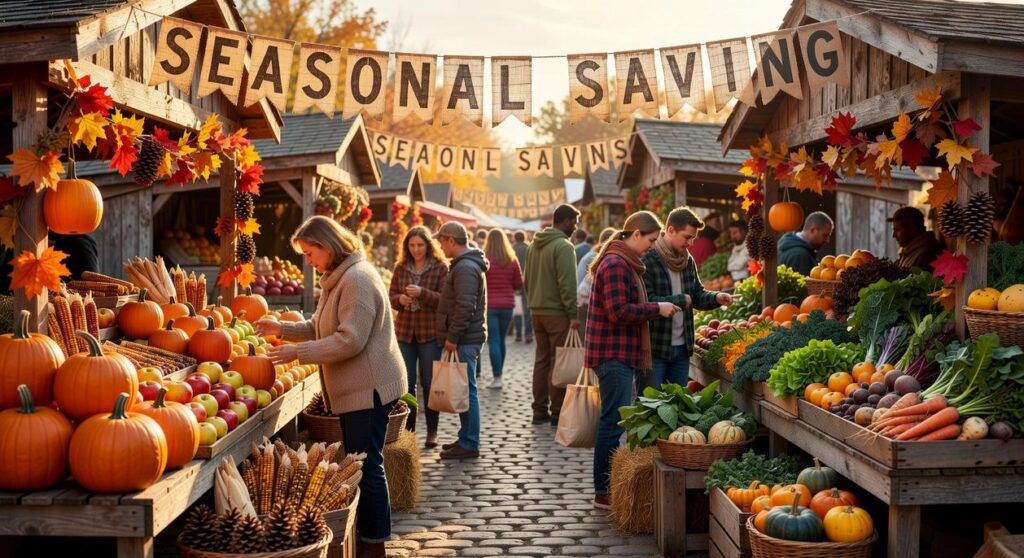
If you’re searching for fresh ways to elevate your meals while making smarter choices in the kitchen, exploring seasonal ingredients is the perfect place to start. Seasonal cooking isn’t just about better flavor—it’s about understanding how ingredients peak, how trends evolve, and how simple swaps can transform everyday dishes into something memorable. In this article, you’ll discover practical tips, creative recipe ideas, and the real seasonal eating benefits that make this approach both delicious and rewarding.
We’ve analyzed current culinary trends, tested flavor pairings, and reviewed insights from chefs and nutrition experts to bring you reliable, experience-backed guidance. Whether you’re looking to refresh your weekly menu, experiment with global flavors, or make better use of local produce, this guide will help you cook with confidence, creativity, and purpose—one season at a time.
BITING into a sun-ripened strawberry in June is a revelation: fragrant, honeyed, bursting with juice. Try the pale January version and you get watery crunch. The difference isn’t nostalgia; it’s science. Studies show produce harvested at peak maturity contains higher vitamin C and antioxidant levels, which decline during long storage and transport (University of California Davis). Seasonal crops also travel fewer miles, reducing time in cold storage that dulls flavor.
seasonal eating benefits show up in measurable ways:
• LOWER prices when supply is abundant.
• HIGHER nutrient density per serving.
Eat with the calendar, and your plate comes alive.
Peak Flavor: The Science of Deliciousness
Great flavor isn’t magic. It’s chemistry. When fruits and vegetables ripen naturally on the vine, they convert starches into sugars and develop complex flavor compounds—volatile organic compounds (VOCs), which are the aromatic molecules responsible for scent and taste. That’s why a sun-ripened strawberry tastes layered and fragrant, not just sweet.
The problem? The Travel Toll. Much of today’s produce is harvested early so it can survive shipping. Once picked, sugar development slows or stops. The result is food that looks ripe but tastes flat (the culinary equivalent of a movie trailer that shows all the good parts).
Here’s what I recommend:
- BUY LOCAL when possible—shorter transport means later harvest.
- Choose in-season produce for peak ripeness.
- Keep prep simple when ingredients shine.
A perfectly ripe summer tomato needs only olive oil and salt. That’s it. No heavy sauces required.
Compare that to autumn mushrooms: wild varieties offer deep, earthy umami (umami = the savory “fifth taste”) far beyond many cultivated, year-round options.
Use seasonal eating benefits in the section once exactly as it is given
Pro tip: shop farmers markets late morning—vendors often discount hyper-ripe produce perfect for same-day cooking.
Bottom line: LET NATURE FINISH THE JOB. Your taste buds will notice.
Nutritional Powerhouse: Getting More Vitamins and Minerals from Your Food
Ever buy a bag of spinach with the best intentions, only to find it limp and lifeless a week later? It’s frustrating—not just because you wasted money, but because you probably lost nutrients, too.
Here’s what most people don’t realize: the moment produce is harvested, nutrient degradation begins. Nutrient degradation simply means the gradual breakdown of vitamins and minerals over time. Delicate nutrients like Vitamin C and B vitamins are especially sensitive to light, heat, and oxygen (basically everything in your kitchen). According to the USDA, some vegetables can lose significant Vitamin C within days of harvest if not stored properly. So when your “fresh” produce travels hundreds of miles, it’s not exactly at peak power.
That’s where freshness changes the game. Seasonal produce is often grown closer to home, cutting down travel and storage time. Shorter farm-to-table windows mean more nutrients intact when food reaches your plate. It’s one of the underrated seasonal eating benefits that rarely makes it onto grocery store signs.
Even better, nature tends to sync with your body’s needs. In winter, Vitamin C-rich citrus helps support immunity. In summer, water-packed cucumbers and melons keep you hydrated. It’s almost like your produce aisle follows a survival script.
And then there’s the antioxidant advantage. Antioxidants are compounds that help protect your cells from damage caused by unstable molecules called free radicals. Freshly harvested, seasonal foods typically contain higher antioxidant levels—meaning more protection per bite.
So yes, convenience matters. But if you’re tired of limp greens and lackluster nutrition, choosing fresh and seasonal isn’t trendy—it’s practical.
Save at the Supermarket: The Economic Sense of Seasonal Eating
Ever notice strawberries cost a small fortune in December but feel like pocket change in June? That’s the Law of Supply and Demand in action. When a crop is in season, supply surges. Prices drop. Simple economics (no PhD required).
Some argue modern logistics make seasonality irrelevant. After all, you can buy asparagus year-round. True—but you’re paying for hidden extras: cross-country shipping, artificial ripening, and weeks of cold storage. Those costs don’t vanish; they’re baked into the sticker price. Freshness travels poorly—and expensively.
What competitors often miss is the compounding effect: lower in-season prices plus better flavor means less waste at home. Food that tastes good actually gets eaten. That’s one of the overlooked seasonal eating benefits savvy shoppers capitalize on.
Pro tip: check the farmers’ market first, then scan the grocery store’s front displays where seasonal items headline promotions.
Pair those finds with staples from a guide to building a well stocked pantry from scratch to stretch every dollar further.
A Greener Plate: Supporting Your Community and the Planet
Have you ever wondered how far your dinner actually traveled before landing on your plate? Food miles—the distance food travels from farm to fork—directly impact the planet. The farther it travels, the higher the transportation emissions. Choosing seasonal, local produce shrinks that distance and lowers your meal’s carbon footprint (yes, even that humble tomato).
And what happens when you buy from nearby farms? You keep money circulating within your own community. Supporting local growers strengthens regional economies, preserves farmland, and creates jobs. Sound like a small choice? It adds up quickly.
There’s also the farming factor. Crops grown in their natural season and climate require less energy-intensive intervention, like heated greenhouses, and often fewer pesticides. That means fewer resources burned just to grow out-of-season strawberries in winter.
Curious about the seasonal eating benefits? They’re not just environmental—they’re flavorful, too. Produce harvested at peak ripeness simply tastes better (nature knows timing).
Feeling stuck cooking the same five meals?
What if spring’s fiddleheads or fall’s persimmons could shake things up?
Breaking the rut starts with seasonal eating benefits: variety, freshness, and built-in inspiration. As the calendar shifts, so can your techniques—roast hearty root vegetables with beans for winter comfort, then pivot to a bright summer salad of greens and chickpeas. Have you ever noticed how a new ingredient sparks curiosity (like auditioning for your cooking show)? Moreover, seasonal swaps elevate pantry staples without extra fuss. So why not challenge yourself this month? Your kitchen might surprise you—if you let it.
Fresh, in-season produce delivers superior taste, boosted nutrition, real savings, and lighter environmental impact. These seasonal eating benefits add up fast.
• This week, choose one fruit or vegetable at peak ripeness.
• Build a simple meal around it.
Start small, taste the difference, repeat. Let freshness guide your weekly menu. Today.
Bring More Flavor and Freshness to Your Table Today
You came here looking for inspiration, smarter kitchen strategies, and creative ways to bring more excitement to your meals—and now you have them. From global flavor trends to clever kitchen hacks and innovative bean-based recipes, you’re equipped to turn everyday ingredients into something memorable.
The truth is, cooking can start to feel repetitive. It’s easy to fall into the same routines, missing out on bold flavors and the powerful seasonal eating benefits that make meals more vibrant, affordable, and nutritious. When you embrace what’s fresh and experiment with new techniques, your kitchen transforms from predictable to inspired.
Now it’s time to take action. Try one new bean-based recipe this week. Explore a global spice blend you’ve never used. Plan your next meal around what’s in season and taste the difference for yourself.
If you’re ready to make every dish more exciting, flavorful, and trend-forward, start exploring more of our top-rated recipes and kitchen insights today. Your next favorite meal is just one bold ingredient away—dive in now.