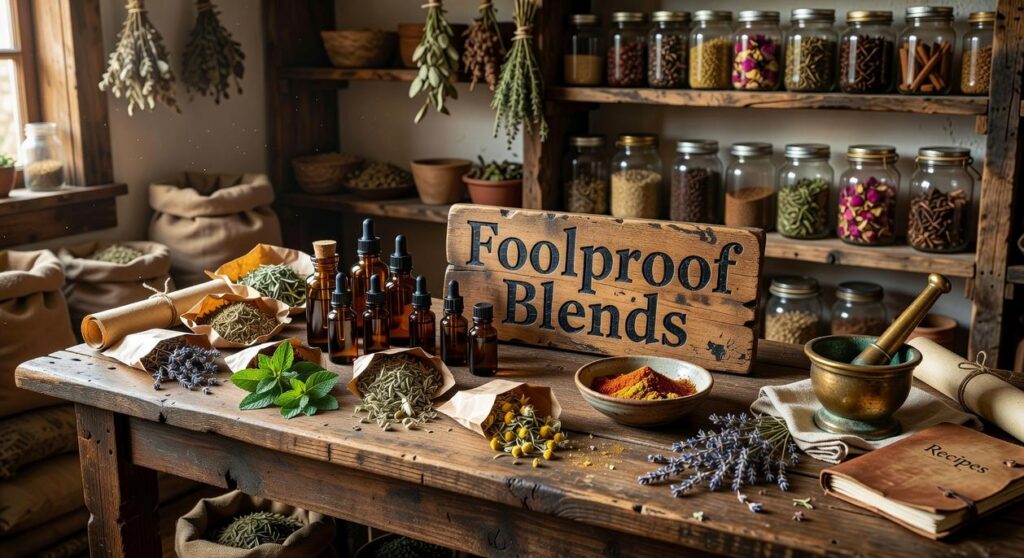
If you’ve ever wondered how to elevate everyday meals without relying on store-bought seasonings, this homemade spice blends guide is exactly what you’re looking for. Home cooks today want deeper flavor, cleaner ingredients, and more control in the kitchen—and crafting your own blends delivers all three.
In this article, you’ll discover how to build balanced spice combinations, which pantry staples create the biggest impact, and how global flavor trends can inspire your next signature mix. Whether you’re seasoning roasted vegetables, marinating proteins, or adding depth to soups and stews, the right blend transforms simple ingredients into standout dishes.
Our approach is rooted in hands-on recipe testing, culinary trend analysis, and practical kitchen experience. Every recommendation is designed to be easy to follow, adaptable, and packed with flavor. By the end, you’ll have the confidence to mix, store, and use your own custom spice blends like a pro.
Store-bought blends promise convenience, yet they’re often padded with anti-caking agents (additives that prevent clumping) and stale ground spices. By contrast, our homemade spice blends guide shows you how to layer base notes (earthy spices like cumin), middle notes (herbs), and top notes (bright elements like citrus zest) for balanced flavor. Moreover, we test bloom time—the seconds spices toast in oil to unlock volatile oils—so you taste maximum aroma. While critics say DIY is time-consuming, blending takes five minutes and saves money long term. Ultimately, fresher spices mean bolder tacos, richer curries, and popcorn that rivals movie theaters at home.
The Spice Blender’s Foundation: Sourcing and Storing Whole Spices
Why Whole Spices Are Superior
Whole spices retain volatile essential oils—the aromatic compounds responsible for flavor and scent. Once ground, those oils evaporate quickly. Research published in the Journal of Food Science notes that spice oxidation accelerates dramatically after grinding, reducing potency within months. Grinding just before cooking releases peak aroma (think of cracking black pepper and instantly smelling the difference). Pre-ground spices? Convenient, yes. Comparable in flavor? Not quite.
Where to Buy for Maximum Freshness
For best results:
- Bulk bins with high turnover
- International markets (often faster restocking)
- Reputable online spice retailers with harvest dates
Standard grocery jars may sit on shelves for 1–3 years before purchase (FDA guidance allows long shelf labeling windows). If you’re building a homemade spice blends guide, freshness matters.
The Golden Rules of Storage
Spices degrade from light, heat, air, and moisture. Store them in airtight, opaque containers in a cool, dark cabinet—not above the stove (tempting, but damaging). Pro tip: label purchase dates.
Essential tools do not require a chef’s arsenal. In fact, most kitchens already hold what you need.
The Grinder: A dedicated spice grinder delivers fresher, more potent flavor because volatile oils degrade quickly after grinding, according to research. Blade grinders are affordable but uneven; burr grinders create consistent particles for balanced taste. If you repurpose a coffee grinder, run rice or bread through it first to absorb lingering oils (it works).
The Toaster: More precisely, a dry skillet. Toasting, or “blooming,” spices triggers Maillard reactions that intensify aroma compounds, a technique used in kitchens.
Measuring & Mixing: Consistency matters; measured ratios ensure repeatable results, especially when building a homemade spice blends guide. Use a small bowl and funnel for clean bottling.
The Mortar and Pestle: For small batches, hand-grinding bruises spices, releasing oils gradually. Interestingly, this same flavor-building logic explains fermented foods and their growing role in modern recipes.
The 3-Step Blending Method: Toast, Grind, Combine
Mastering this method means brighter flavors, longer shelf life, and total control over your seasoning (goodbye, dusty store-bought jars). Here’s how to do it right.
Step 1: The Art of Toasting
Toasting unlocks essential oils—natural aromatic compounds that give spices their flavor. When heated, they bloom.
How to toast:
- Use a dry skillet over medium-low heat
- Stir constantly for 2–4 minutes
- Watch for a slight color deepening
- Remove once fragrant (nutty, warm aroma = ready)
Toast hard whole spices like cumin seeds, coriander seeds, fennel, and peppercorns. Add delicate herbs and powders (paprika, turmeric, dried basil) later—they scorch easily.
Benefit: Proper toasting delivers deeper flavor with less spice used (your pantry stretches further).
Step 2: The Perfect Grind
Let toasted spices cool completely before grinding. Heat trapped in seeds can cause clumping.
Grind in short bursts. If making a large batch, pause between rounds to prevent overheating. Want texture control?
- Coarse = rubs and crusts
- Medium = everyday cooking
- Fine = smooth sauces and soups
Pro tip: Clean your grinder with a spoonful of rice between batches.
Step 3: Achieving Balance & Harmony
Think like a perfumer. A blend has:
- Base notes: deep, earthy (cumin)
- Mid-notes: warm body (coriander)
- High-notes: bright lift (cardamom)
Mix thoroughly, then let the blend “marry” for 24 hours. Flavors integrate, soften, and round out—like a great curry the next day.
Follow this homemade spice blends guide once, and you’ll taste the difference immediately.
Three Foolproof Blends to Make Today
After three months of testing ratios (and suffering through a few bland Tuesdays), these three blends earned permanent spots in my pantry. If you think store-bought mixes are easier, you’re not wrong—they’re convenient. But they’re also often packed with anti-caking agents and excess sodium (the FDA notes sodium overconsumption remains a public health concern). Making your own takes five minutes and gives you full control.
Smoky & Savory BBQ Rub
A balanced rub hits sweet, smoky, and earthy notes at once.
- 2 tbsp smoked paprika
- 1 tbsp brown sugar
- 1 tsp garlic powder
- 1 tsp ground cumin
- 1 tsp kosher salt
Use on ribs, chicken thighs, or roasted chickpeas at 400°F for 25 minutes. (Yes, chickpeas. Trust me.) The sugar caramelizes, creating that classic bark.
Vibrant Taco Seasoning
Back in 2019, I ditched packet seasoning after realizing how flat it tasted.
- 1 tbsp chili powder
- 1 tsp cumin
- 1 tsp coriander
- 1 tsp dried oregano
- 1 tsp onion powder
Prefer heat? Add ¼ tsp cayenne. Skeptics say packets are “perfectly balanced,” but freshness fades fast once ground spices sit on shelves (spices lose potency over time, per culinary research). Bloom this mix in oil before adding protein for deeper flavor.
Aromatic All-Purpose Mediterranean Blend
Think of this as your weeknight hero.
- 1 tbsp oregano
- 1 tsp basil
- 1 tsp thyme
- 1 tsp garlic powder
- ½ tsp dried lemon peel
Sprinkle over roasted vegetables, whisk into vinaigrettes, or stir into lentil soup. It’s a cornerstone in any homemade spice blends guide—and once you try it, there’s no going back.
Your Spice Rack, Reimagined
You’ve learned the basics; now it’s time to act. The Toast–Grind–Combine method (toasting wakes up dormant oils, grinding releases aroma, combining balances flavor) turns dusty jars into bold signatures. If you think store-bought blends are “good enough,” consider this: pre-ground spices can lose up to 50% of their volatile oils within six months (NCBI). Why settle?
Here’s my recommendation: pick one recipe from this homemade spice blends guide, buy whole cumin, coriander, and peppercorns, and make a small batch tonight. Freshly ground always wins (your nose will notice first). Pro tip: label and date every jar.
Bring More Flavor Into Every Meal Starting Today
You came here looking for a way to elevate your cooking with deeper flavor, smarter techniques, and creative inspiration. Now you have the tools to do exactly that.
Bland meals and repetitive recipes can make time in the kitchen feel uninspired. But with the right combinations, fresh ideas, and a reliable homemade spice blends guide, you can transform everyday ingredients into bold, unforgettable dishes.
The next step is simple: start experimenting. Choose one new blend, try one global flavor twist, or upgrade one weeknight staple. Small changes create big flavor wins.
If you’re ready to stop guessing and start seasoning with confidence, explore more expert-backed tips, trending flavor insights, and kitchen-tested ideas trusted by thousands of home cooks. Dive in now and turn every meal into something worth savoring.