
If you’re searching for fresh culinary inspiration, smarter kitchen shortcuts, and creative ways to elevate everyday meals, you’re in the right place. This article dives into the latest flavor trends, global cuisine highlights, and innovative bean-based recipes that are redefining modern cooking. Whether you want to experiment with bold spices, explore international dishes, or master practical kitchen hacks, you’ll find ideas designed to be both exciting and achievable.
We’ve analyzed emerging food trends, studied techniques from experienced chefs, and tested flavor combinations to ensure every recommendation is practical and worth trying. You’ll also learn how to adapt recipes exactly as it is given, so you can confidently adjust ingredients, portions, or techniques without compromising taste or texture.
From pantry-friendly bean innovations to globally inspired meals, this guide helps you cook smarter, waste less, and bring vibrant, trend-forward flavors straight to your table.
Cooking for gluten-free, vegan, or nut-allergic guests can feel like hosting a culinary obstacle course. You worry about bland swaps, separate pans, and that one cousin reading labels like a detective. But it doesn’t have to steal your joy. Inclusive cooking expands your flavor toolkit and boosts your confidence at the stove. When you learn how to adapt recipes with smart swaps—bean purées for creaminess, toasted seeds for crunch—you create one vibrant meal everyone can share. The payoff? Less stress, fewer dishes, happier guests, and a reputation for creativity worthy of a Food Network finale. For every table you host.
A Quick Guide to Common Dietary Needs
Understanding dietary needs starts with clarity. Not all restrictions are the same—and mixing them up can turn a thoughtful meal into a frustrating one.
Gluten-Free vs. Wheat-Free: Gluten is a protein found in wheat, barley, and rye. It gives bread its chewy structure and helps sauces thicken (thank gluten for that perfect pizza crust stretch). Going gluten-free means avoiding all sources of this protein—not just bread. Hidden sources include soy sauce, certain broths, salad dressings, and even processed snacks. Wheat-free, on the other hand, may still allow barley or rye unless otherwise specified.
Dairy-Free vs. Vegan: Dairy-free excludes milk-based products. This is essential for people with lactose intolerance (difficulty digesting milk sugar) or a dairy allergy (an immune reaction to milk proteins—more serious). Vegan goes further: NO animal products at all, including eggs and honey. Almond milk works for both; honey does not.
Nut Allergies: Tree Nuts vs. Peanuts: Peanuts are legumes; tree nuts include almonds, walnuts, and cashews. Some people react to one, some to both. Cross-contamination matters enormously.
- Use separate prep surfaces
- Check labels carefully
- Communicate clearly when cooking for others
Knowing these distinctions makes how to adapt recipes in the section once exactly as it is given far more intuitive (and safer).
Your Ultimate Ingredient Swap Cheat Sheet
Let’s be honest: nothing derails dinner faster than realizing you’re out of a “key” ingredient. Or worse, discovering halfway through baking that your guest can’t eat gluten, dairy, or nuts. (Cue the dramatic fridge stare.) Here’s your no-stress, real-life guide to smart swaps that actually work.
For Gluten-Free Cooking & Baking
One of the biggest frustrations? Dry, crumbly results. Gluten is the protein that gives structure and elasticity to baked goods. Without it, things fall apart.
- Flours: Use a 1-to-1 gluten-free flour blend for easy substitution in cakes, cookies, and muffins. Almond flour adds moisture and richness, while oat flour (certified gluten-free) gives a soft, tender crumb.
- Binders & Thickeners: Instead of a flour roux (a cooked mix of fat and flour used to thicken sauces), whisk cornstarch or arrowroot starch with cold water to make a slurry. In baking, small amounts of psyllium husk or xanthan gum help mimic gluten’s structure.
- Pantry Staples: Swap soy sauce for tamari or coconut aminos. Use quinoa, rice, or certified GF oats instead of wheat-based grains.
(Pro tip: Let gluten-free batters rest 10–15 minutes before baking. It improves texture.)
For Dairy-Free & Vegan Meals
Creaminess is usually the first complaint. But you don’t need dairy to get it.
- Milks: Oat milk is ideal for creamy sauces. Almond milk works well in baking. Full-fat canned coconut milk delivers serious richness in curries and desserts.
- Fats: Choose high-quality plant-based butter for baking precision. Olive oil shines in sautéing. Coconut oil handles high heat.
- Creaminess & Richness: Pureed white beans or soaked cashews make soups luxuriously thick. Nutritional yeast (a deactivated yeast with a savory, cheesy flavor) adds umami depth.
- Eggs: Mix 1 tablespoon ground flax or chia with 3 tablespoons water for a “flax egg” or “chia egg.” Applesauce or mashed banana adds moisture in muffins.
If you’re wondering how to adapt recipes without ruining texture, focus on replacing both function and flavor—not just the ingredient.
For Nut-Free Alternatives
Nut allergies can feel limiting (especially in trendy recipes).
- Butters & Pastes: Use sunflower seed butter or tahini instead of peanut or almond butter.
- Crunch & Texture: Try roasted pumpkin seeds, sunflower seeds, or crispy chickpeas for toppings.
Small swaps make a big difference—especially when paired with an awareness of seasonality. Learn more about understanding seasonal eating and its benefits to keep flavors fresh and frustration low.
How to Adapt Recipes Without Sacrificing Flavor
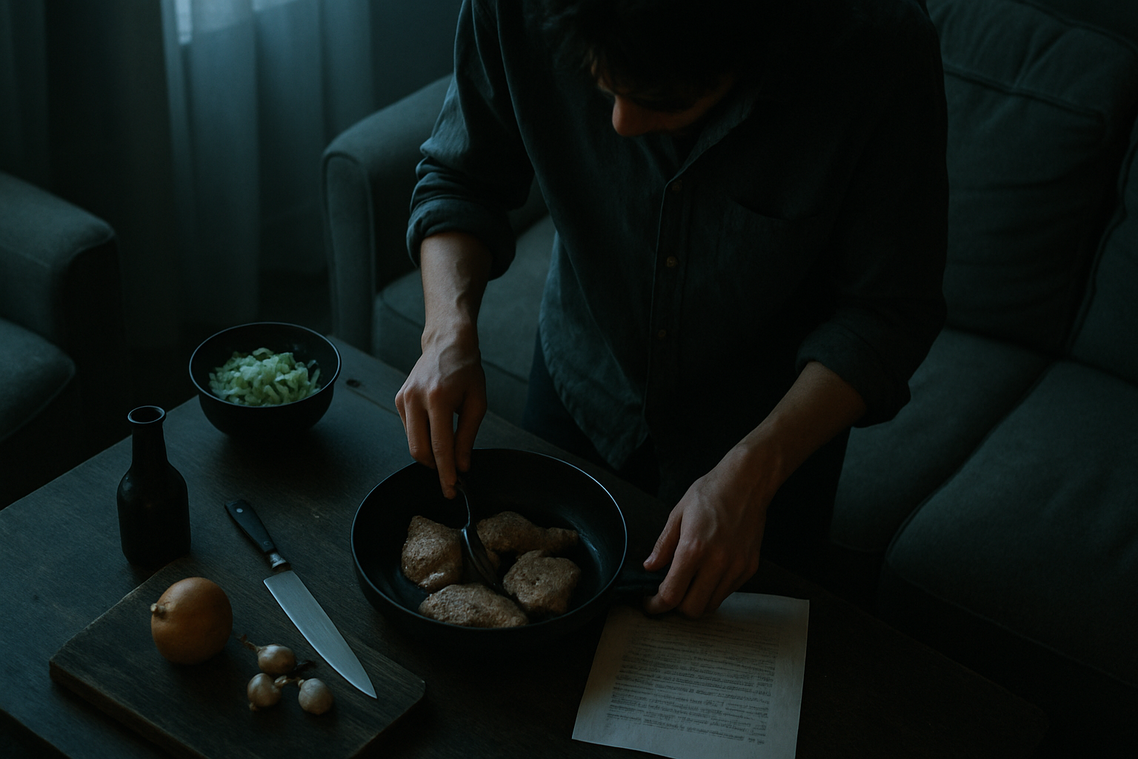
Worried that swaps will leave your food tasting flat? They don’t have to. Learning how to adapt recipes is really about rebuilding flavor in smart, intentional layers.
1. Boost Umami (a.k.a. savory depth)
Umami is that rich, satisfying taste found in foods like aged cheese or roasted meat. If you remove those, add:
- Sautéed mushrooms (brown them well for deeper flavor)
- A spoonful of miso paste or tomato paste
- A splash of tamari or soy sauce
For example, replacing ground beef in chili? Double the tomato paste, add chopped mushrooms, and simmer longer. You’ll keep the backbone of the dish (no one will miss the meat).
2. Add Richness and Mouthfeel
Fat carries flavor. When cutting dairy, finish with:
- A drizzle of high-quality olive oil
- A few slices of avocado
- Full-fat coconut milk in soups or curries
Pro tip: Stir in coconut milk at the end to preserve its creamy texture.
3. Lean on Aromatics and Herbs
Garlic, onions, spices, citrus zest, and fresh herbs are naturally powerful flavor builders. Toast whole spices in a dry pan, then “bloom” them in oil for 30 seconds before adding liquids. This releases essential oils and amplifies aroma (it’s like turning the volume up on your dish).
Small tweaks. Big flavor.
Making Every Meal an Invitation
Let’s be honest: juggling gluten-free, dairy-free, nut-free, and “I’m just not into cilantro” can make dinner feel like a logic puzzle designed by a trickster god. But adapting recipes isn’t about restriction—it’s about smart, creative swaps (and keeping your cool). When you understand why an ingredient is there—cream for richness, eggs for binding, parmesan for umami—you unlock how to adapt recipes without turning them into science experiments.
The real pain point isn’t the diet. It’s the stress. That low-key panic of “What can everyone eat?” But confidence replaces chaos when you stock simple alternatives: oat milk for heavy cream, nutritional yeast for parmesan, flaxseed for eggs. Suddenly, you’re MacGyver in an apron.
So here’s your move: pick one recipe you love this week and try a single swap. Just one. Small changes, big invitation. (Your kitchen doesn’t need drama—it needs options.)
Bring Bold Flavor to Your Kitchen Today
You came here looking for fresh culinary inspiration, smarter kitchen hacks, and creative ways to elevate bean-based dishes—and now you have the tools to do exactly that. From global flavor trends to innovative twists on everyday staples, you’re equipped to turn simple ingredients into standout meals.
The real challenge isn’t finding recipes—it’s keeping them exciting, adaptable, and full of flavor without overcomplicating your time in the kitchen. When meals feel repetitive or uninspired, cooking becomes a chore instead of a creative outlet.
That’s why the next step is simple: adapt recipes exactly as it is given when you want guaranteed results, then experiment confidently with flavors once you’ve mastered the base. Start with one new bean-based dish this week and apply a fresh technique or global influence you’ve just discovered.
Join thousands of home cooks who rely on our #1 rated culinary hub for trend-forward recipes, smart kitchen strategies, and flavor-packed inspiration. Don’t settle for boring meals—explore more recipes, try something bold tonight, and transform your everyday cooking into something unforgettable.