
If you’re searching for fresh culinary inspiration, the latest flavor trends, or creative ways to elevate everyday ingredients, you’re in the right place. This article dives into the current buzz shaping home kitchens and professional menus alike—from innovative cooking hacks to exciting twists on comfort foods. We explore how global flavors are influencing modern meals, with a special spotlight on beans in global cuisine and the inventive ways they’re transforming plant-based and protein-rich dishes.
Our insights are grounded in extensive culinary research, trend analysis, and techniques tested in real kitchens to ensure they’re practical, flavorful, and worth your time. Whether you’re looking to refresh your weekly meal rotation or experiment with bold, international tastes, you’ll discover ideas that are approachable, creative, and rooted in what’s actually gaining momentum in today’s food scene.
Beyond the Basic Bowl
Beans deserve better than a supporting role. Too often, home cooks relegate them to chili or simple soups, assuming they lack excitement. However, that view misses their global power. From creamy hummus in Lebanon to feijoada in Brazil, beans anchor tradition and innovation alike. In fact, beans in global cuisine tell stories of migration, survival, and celebration. So what can you do? Start by swapping black beans into tacos with citrus and herbs, or blending white beans into pasta sauce for protein and silkiness. Experiment boldly. Your pantry is richer than you think. Let them shine.
From Feijoada to Frijoles
Across Latin America, beans are the steady drumbeat beneath every meal, like a bassline you feel even when you don’t notice it. Black and pinto beans anchor daily cooking, turning humble pots into edible hearths. In Brazil, feijoada is less a dish and more a carnival in a cauldron: smoky pork, glossy black beans, and hours of simmering that stitch flavors together. It proves beans can be the headline act, not the backup singer.
Travel north and frijoles refritos become culinary glue. Mashed, fried, and folded into tacos, burritos, and tostadas, they’re the mortar between tortillas and fillings (because no one wants a structural collapse at dinner). In Cuba, Moros y Cristianos pairs rice and black beans like twin storytellers, recalling colonial history in every spoonful.
Think of beans as the region’s culinary currency—small, durable, endlessly exchangeable. They stretch budgets, fortify families with protein and fiber, and carry memory from abuela’s stove to modern kitchens. In conversations about beans in global cuisine, Latin America is the beating heart.
Like a well-worn recipe card, they pass hands, survive storms, and remind communities who they are when everything else changes over time together.
Beans are identity served warm.
Umami, Sweetness, and Spice: The Surprising Role of Beans in Asian Cuisine
When most people think of beans in global cuisine, they picture savory stews or burritos. Asia flips that expectation on its head. Here, soybeans, adzuki, and mung beans move effortlessly between umami, sweetness, and spice—sometimes in the same meal.
Take soybeans in Japan: raw soybeans vs fermented soybeans is a night-and-day comparison. Boiled soybeans are mild and nutty. Fermented into miso, they become a salty, deeply savory paste packed with glutamates (natural compounds responsible for umami flavor, according to the Umami Information Center). Push fermentation further and you get natto, famously pungent and sticky—an acquired taste, like blue cheese’s bold cousin.
Adzuki beans tell a different story. In savory form, they’re subtle. Sweetened into anko—a smooth red bean paste—they anchor Japanese daifuku and Chinese mooncakes. Think chocolate filling vs red bean filling: one is rich and creamy, the other earthy and gently sweet (less sugar-heavy than Western desserts, too).
Mung beans split the difference. Sprouted, they add crunch to stir-fries. Processed into starch, they become translucent cellophane noodles. Whole bean vs starch noodle? Texture transforms everything.
If you enjoy exploring contrasts, check out creative ways to use chickpeas beyond hummus for another perspective on versatility.
Creamy, hearty, and healthy, the Mediterranean table runs on beans that nourish both body and tradition. Nutrition research consistently links legumes to lower LDL cholesterol and reduced heart disease risk; a 2020 meta-analysis in Advances in Nutrition found regular bean consumption significantly improves cardiometabolic markers. Chickpeas, fava beans, and cannellini beans are central to this pattern. The humble chickpea stars in creamy, rich hummus and crispy, herbaceous falafel, delivering fiber and plant protein in every bite (yes, comfort food can be functional). Travel to Egypt for Ful Medames, where slow-cooked fava beans meet lemon, garlic, and cumin in a breakfast eaten by millions daily. In Tuscany’s cucina povera, cannellini beans enrich Ribollita and simple salads, proving affordable staples can be luxurious. Greece’s Gigantes Plaki bakes giant beans in tomato and herbs, a rustic dish dietitians often cite when praising Mediterranean eating patterns. Together, these traditions showcase beans in global cuisine as evidence-backed, delicious pillars of longevity. Still, some skeptics argue beans cause discomfort; soaking and slow cooking, studies show, reduces oligosaccharides that trigger bloating, making them easier to digest. That is tradition meeting science deliciously. Their versatility keeps weekly menus satisfying without sacrificing measurable health benefits for modern home cooks.
Across Africa, legumes form a foundation of flavor and function. Black-eyed peas and kidney beans appear in everything from street snacks to ceremonial stews, proving that humble ingredients can anchor extraordinary meals. In Nigeria, akara—spiced, deep-fried black-eyed pea fritters—offer crisp, grab-and-go satisfaction, while moi moi, a savory steamed bean pudding, delivers a softer, custard-like comfort. Think of it as crunchy versus tender, street bite versus home-style embrace (both win, depending on your mood). Meanwhile, Kenya’s githeri pairs maize and beans in a simple stew that prioritizes nourishment over flash—hearty, affordable, endlessly adaptable. Compare that to Ethiopian wats, where lentils and pulses simmer with berbere spices, creating layered heat and depth beside spongy injera. If githeri is minimalist comfort, wats are bold complexity—a sweater versus a statement jacket. Together, they showcase beans in global cuisine as both everyday staples and culinary storytellers. Pro tip: soak dried beans overnight for creamier texture.
Your Next Culinary Adventure Starts with a Bean
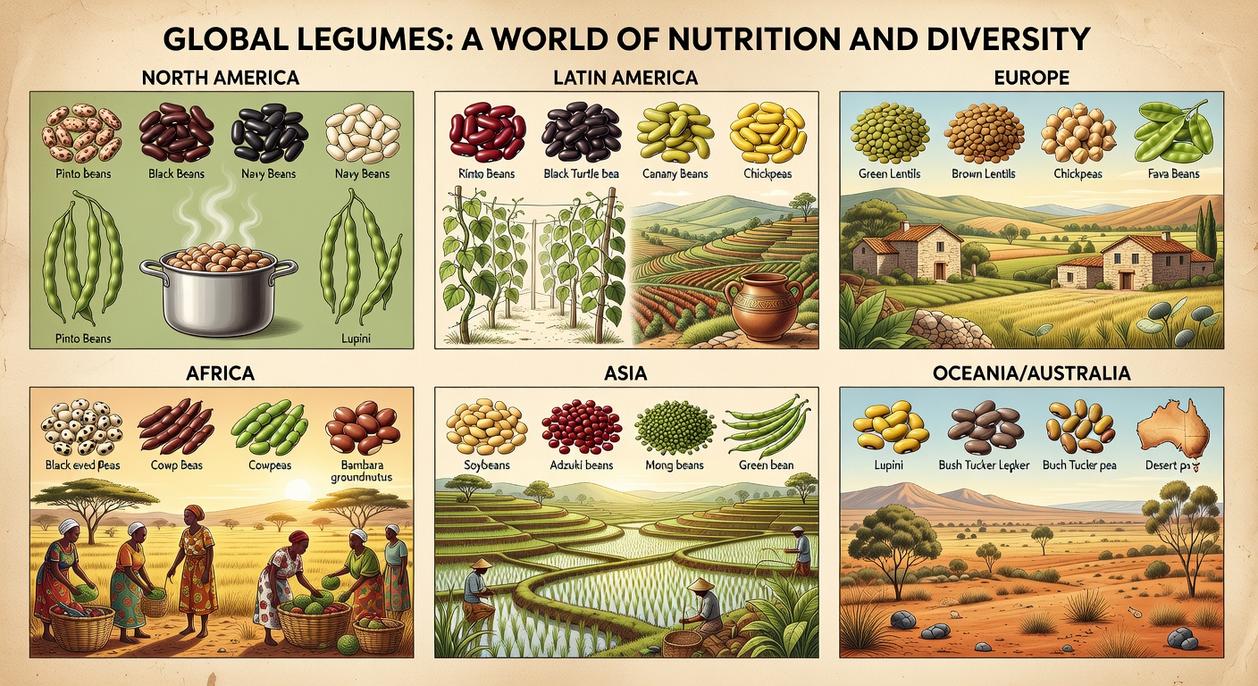
I still remember the night I burned a pot of black beans because I thought “low” meant leave it alone (it didn’t). That small kitchen mishap sparked a curiosity that changed how I cook. What began as a humble pantry backup became my passport to beans in global cuisine.
From smoky Brazilian feijoada to silky Italian cannellini soups and even Japanese sweet red bean paste folded into delicate desserts, beans have quietly shaped food culture worldwide. They’re legumes—edible seeds packed with protein, fiber, and history (yes, history you can taste).
| Region | Signature Bean Dish |
|——–|———————|
| Mexico | Frijoles de la Olla |
| India | Rajma Masala |
| France | Cassoulet |
If you think beans are boring, I once did too. Try one new region this week. Soak, simmer, season boldly. Step outside your routine. In that simple bag waiting in your cupboard? Endless possibility.
Bring More Flavor to Your Table with Beans
You came here looking for fresh inspiration, smarter kitchen hacks, and exciting ways to explore beans in global cuisine—and now you have the tools to do exactly that. From flavor-packed international dishes to creative, modern twists on classic recipes, you’re ready to turn everyday ingredients into something unforgettable.
If you’ve ever felt stuck making the same meals on repeat or unsure how to make beans the star of the plate, that frustration ends here. The right techniques and global inspiration transform simple beans into bold, crave-worthy dishes.
Now it’s time to take action. Start experimenting with one new bean-based recipe this week. Explore a different culture’s approach. Try a new seasoning blend. Small changes create big flavor upgrades.
Want more trend-forward recipes, global flavor insights, and game-changing bean ideas? Join thousands of food lovers who rely on us for creative, practical inspiration. Dive in now and start cooking dishes that actually excite you.