
If you’ve been looking for simple ways to make your time in the kitchen more eco-friendly, you’re in the right place. Everyday cooking habits quietly shape your household’s energy use, water consumption, and food waste levels—often more than you realize. This guide breaks down practical, no-stress strategies that help you adopt sustainable cooking practices without sacrificing flavor, creativity, or convenience. Drawing on proven kitchen efficiency methods and waste-reduction techniques used by experienced home cooks and culinary professionals, we’ll show you exactly how to lower your environmental footprint. Expect clear, actionable steps you can start using today to transform your kitchen into a smarter, greener space.
Mastering Energy Efficiency: Cook Smarter, Not Harder
I used to think cranking the burner to high meant dinner faster. It actually meant scorched beans and a higher utility bill (lesson learned). Energy efficiency starts with right-sizing your cookware—matching pot diameter to burner size so heat doesn’t escape around the edges. Add a lid, and you trap convection heat (that circular movement of hot air or liquid), speeding up cook time while using less power.
Here’s what experience taught me the hard way:
- Oversized pans waste heat. About 40% of a burner’s heat can be lost when pans don’t fit properly (U.S. DOE).
- Residual heat is real. Electric coils stay hot for minutes—turn them off early and let carryover cooking finish the job.
- Small appliances win for small meals. Microwaves use up to 80% less energy than conventional ovens for reheating (Energy.gov).
I once ran the oven for a single tray of roasted chickpeas. Now I batch cook—filling the oven with multiple dishes at once. One heating cycle, several meals. Simple math.
Appliances like pressure cookers (which trap steam to raise boiling temperature) cook beans faster with less energy. It’s part of smarter kitchen flow and building the culinary skills every home chef should master.
Use sustainable cooking practices. Your food—and your power bill—will thank you.
The Zero-Waste Kitchen: Maximizing Ingredients from Root to Stem
In many urban farmers markets—from Portland to Pune—you’ll notice chefs eyeing beet greens and cauliflower leaves like treasure. That’s because a zero-waste kitchen starts with full-ingredient utilization, a practice where every edible part of a plant gets used. Broccoli stems become crunchy slaw with lemon and mustard. Carrot tops transform into herby pesto (think chimichurri’s earthier cousin). Even potato peels can be tossed with olive oil and roasted into salty crisps. Vegetable scraps simmered with bay leaves create a deeply flavored stock—the backbone of countless restaurant kitchens.
Some skeptics argue this sounds time-consuming. Fair point. But once it becomes habit, it’s no more complicated than brewing morning coffee. In fact, many professional kitchens rely on these methods to control food costs and boost flavor density.
Smart storage strategies are your next defense line:
- Store cilantro and parsley upright in a jar with water, loosely covered.
- Keep potatoes and onions in a cool, dark pantry—separately (they trigger each other’s spoilage).
- Label leftovers with dates to avoid the “mystery container” problem.
Then there’s the “Everything” Meal—a cook’s secret weapon. Small amounts of rice, roasted vegetables, or beans can become fried rice, soup, or a skillet frittata. It’s culinary improv (yes, like jazz, but edible).
Finally, follow First-In, First-Out (FIFO): move older groceries to the front so they’re used first. This simple rotation system—standard in restaurant walk-ins—dramatically reduces waste.
Use sustainable cooking practices and you’ll save money, reduce landfill impact, and cook with more creativity than ever.
Rethinking Your Plate: The Impact of Ingredient Choices
What you put on your plate matters—both for your health and the planet. To start, embrace plant-forward meals. For example, swap ground beef for lentils in tacos, or try a chickpea curry on Mondays. Reducing meat even one or two days a week can significantly lower your carbon footprint.
Next, lean into the power of legumes. Lentils, black beans, and split peas are protein-rich, budget-friendly, and incredibly versatile. Add them to soups, blend them into spreads, or toss them into salads. (They’re basically the overachievers of the pantry.)
Meanwhile, shop local and seasonal. Food miles refer to the distance food travels from farm to plate; fewer miles mean fewer emissions. Visit a farmers’ market and ask what’s freshest that week. You’ll often get better flavor and storage-friendly tips.
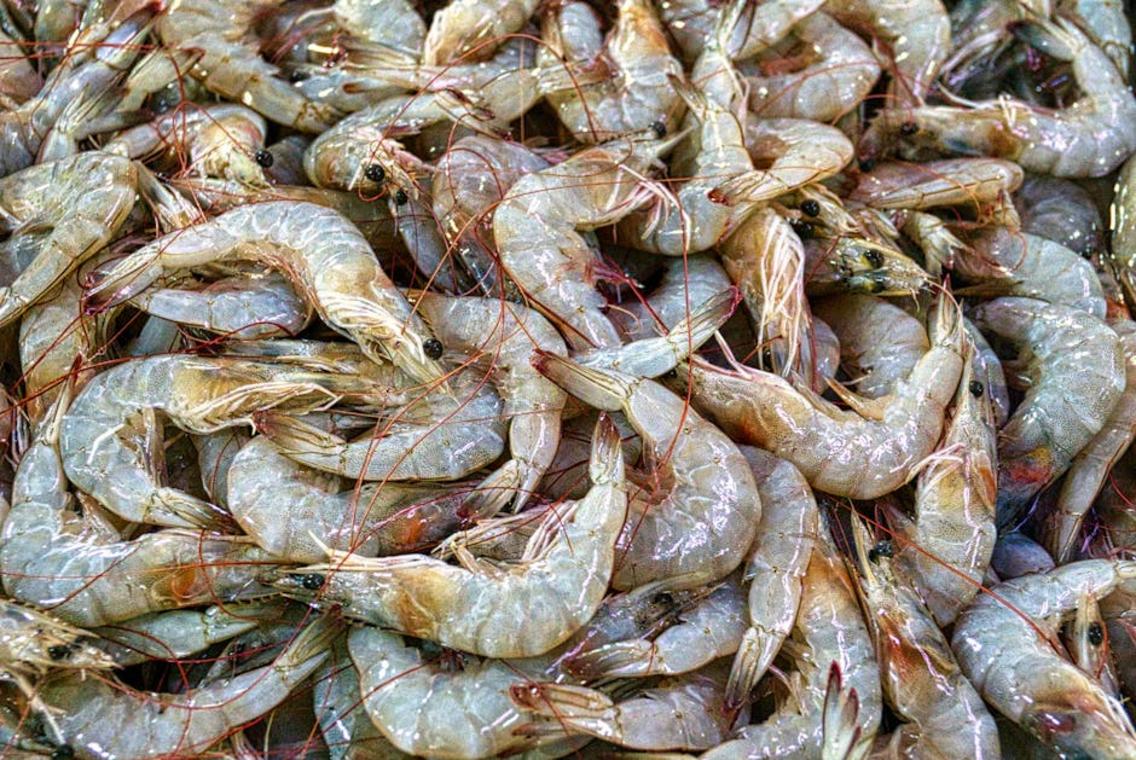
Finally, practice mindful seafood choices. Check a reputable sustainability guide before buying fish. Look for labels that support sustainable cooking practices and avoid overfished species.
To put it all together, try this simple reset:
- Plan two plant-based dinners
- Build one meal around seasonal produce
- Replace one meat dish with beans
Small shifts, repeated weekly, create lasting impact. Start today with intention.
Steam Smarter, Not Harder
Most people assume boiling is the gold standard for cooking vegetables. However, that’s old-school thinking. Steaming uses far less water and preserves water-soluble nutrients like vitamin C and B vitamins (Harvard T.H. Chan School of Public Health). In other words, you’re saving water and flavor at the same time.
Then again, if you do boil pasta or veggies, don’t dump the liquid without thinking. That cloudy water contains starches and trace minerals. Once cooled, it can hydrate houseplants or enrich garden soil (just skip salted batches).
Meanwhile, one-pot meals aren’t just trendy—they’re efficient. Fewer pans mean less rinsing, less scrubbing, and significantly less water down the drain. Critics argue handwashing feels “more thorough,” yet Energy Star reports modern dishwashers use as little as 3–4 gallons per cycle, often less than handwashing.
Ultimately, sustainable cooking practices start with small shifts. Cook thoughtfully, wash strategically, and treat every drop like it matters—because it does.
Your Sustainable Culinary Journey Starts Now
You came here looking for practical ways to make your time in the kitchen more eco-conscious—and now you have a clear, actionable toolkit to begin. Sustainable cooking practices don’t require a dramatic lifestyle overhaul. The real challenge has always been knowing where to start without feeling overwhelmed.
By using smarter energy habits, cutting down on food waste, and choosing ingredients more mindfully, you’re turning everyday meals into meaningful impact.
Now take the next step: choose one technique from this guide and try it this week. Small, consistent changes create lasting results—start today and build a kitchen that’s better for you and the planet.