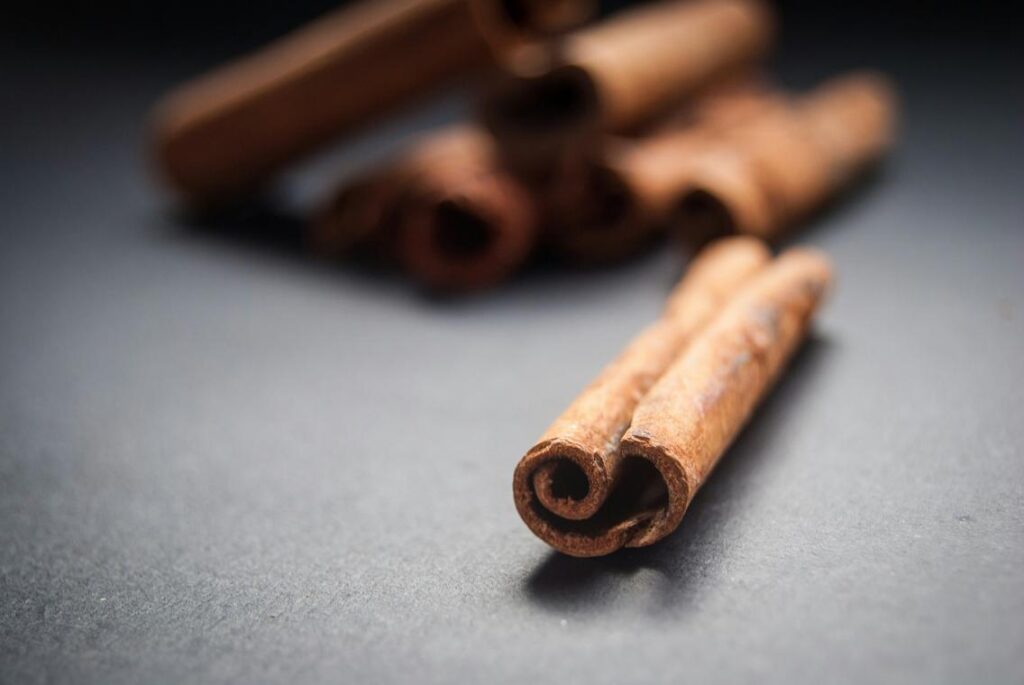
If you’re searching for a practical, flavor-forward North African spices guide, you’re likely looking to understand how to use bold, aromatic blends with confidence in your own kitchen. North African cuisine is layered, complex, and deeply rooted in spice traditions that transform simple ingredients into unforgettable dishes. But without clear guidance, it’s easy to feel unsure about where to start or how to balance flavors correctly.
This North African spices guide breaks down essential spice blends, explains how they’re traditionally used, and shows you how to incorporate them into everyday cooking. From warm, earthy notes to bright, fragrant highlights, you’ll learn what makes these spices distinctive and how to pair them effectively.
To ensure accuracy and authenticity, we’ve drawn from established culinary research, traditional preparation methods, and globally recognized flavor profiles. The result is a practical, trustworthy guide designed to help you cook with confidence and bring vibrant North African flavors to your table.
Exploring North African cuisine can feel overwhelming at first, but it becomes simple once you understand the building blocks. This North African spices guide breaks them down clearly. Cumin brings earthy warmth; coriander adds citrusy brightness; turmeric offers color and gentle bitterness. Together, they create the savory backbone of tagines and stews.
Key blends to know:
- Ras el Hanout: a complex mix (often 10+ spices) that adds depth.
- Harissa: a chili-based paste delivering heat and garlic punch.
Pro tip: toast spices briefly to unlock aroma. Start small, taste often, and adjust confidently. Soon, kitchen will smell like Marrakech.
The Art of the Blend: Iconic North African Spice Mixes
The first time I opened a jar of ras el hanout, the aroma stopped me mid-recipe. It was like walking into a spice market at dusk—floral, warm, slightly sweet (and honestly, a little intoxicating). Ras el hanout, which means “top of the shop,” refers to a merchant’s best blend. Typically, it includes cardamom, clove, cinnamon, nutmeg, black pepper, and sometimes dried rose petals. The result is complex: sweet heat layered with earthy depth. It’s classic in tagines and stews, but I also rub it onto roasted carrots or lamb for a fragrant crust. Some argue it’s too perfumed for everyday cooking; however, used sparingly, it transforms simple dishes into something cinematic—think dinner-party magic without the fuss.
Then there’s harissa, the fiery backbone of many North African kitchens. Made from chili peppers, garlic, caraway, and coriander, it comes in mild and hot versions. Mild offers warmth and smokiness; hot brings serious heat (pro tip: start small—you can always add more). I swirl it into soups or mix it with olive oil as a marinade. While critics say it overpowers subtle flavors, I’ve found it actually amplifies sweetness in roasted vegetables and even bean stews.
Meanwhile, chermoula is the zesty counterpoint. A blend of cilantro, parsley, garlic, lemon, and cumin, it’s herbaceous and tangy. Traditionally paired with fish, it brightens grilled seafood beautifully.
Finally, baharat delivers sweet, earthy warmth—ideal for meats, lentils, and especially bean-based dishes. For anyone exploring a North African spices guide, these blends are the essential starting point.
The Foundational Pillars: Essential Single Spices
Cumin: The Earthy Backbone
Cumin is what I’d call the bass line of North African cooking. Its flavor is robust, warm, and slightly bitter—earthy in the truest sense (think sun-baked soil after rain). When toasted, it releases aromatic oils that deepen soups, couscous, and lentil stews. “Earthy” here means grounding—flavors that anchor a dish so brighter notes don’t float away. Some argue cumin can overpower delicate ingredients. I disagree. Used properly, it builds structure the way a foundation holds a house. Pro tip: toast whole seeds for 30 seconds before grinding to intensify flavor (Harold McGee, On Food and Cooking).
Coriander: The Citrusy Brightness
Coriander seed and cilantro leaf come from the same plant, but they taste wildly different. The seed is warm, nutty, and lightly citrusy. That citrus quality—subtle, not sour—balances richer spices in blends. In my view, coriander is the diplomat of the spice cabinet, smoothing sharp edges in harissa or ras el hanout. Some say it’s too mild to matter. I’d argue its restraint is precisely the point.
Turmeric: The Golden Healer
Turmeric brings a vibrant yellow hue and mild bitterness. Beyond color, it adds earthy depth to rice and vegetable tagines. Its active compound, curcumin, is studied for anti-inflammatory effects (National Institutes of Health). Color, flavor, function—it multitasks.
Ginger & Cinnamon: The Sweet Warmth
In savory tagines, ginger and cinnamon add sweet warmth to lamb or chicken. That sweet-savory contrast defines balance in any good North African spices guide. If you love global flavor contrasts, explore street food favorites from latin america explained for another take on spice harmony.
From Tagine to Table: How to Use Your Spices
If you’re not blooming your spices, you’re leaving flavor on the table (and yes, I feel strongly about this). Blooming simply means toasting whole or ground spices in hot oil to release their essential oils—the aromatic compounds that give spices their signature scent and taste. According to food science research, many flavor molecules are fat-soluble, which means heating them in oil helps them disperse more fully throughout a dish (McGee, On Food and Cooking).
Here’s how I build depth, step by step:
- Start with a base: sauté onion and garlic in olive oil until soft.
- Add foundational spices like cumin and turmeric; stir for 30 seconds until fragrant.
- Incorporate a blend such as Ras el Hanout for complexity.
- Finish with something fresh, like a spoonful of Chermoula before serving.
Some cooks argue you can toss everything in at once and save time. Technically? Sure. But the flavor difference is dramatic. Blooming prevents that flat, dusty taste and replaces it with warmth and dimension (think Ratatouille-level transformation, minus the cartoon rat).
Beyond the tagine, these spices shine in modern kitchens. Stir Harissa into mayonnaise for a fiery dip. Sprinkle Ras el Hanout over roasted vegetables or crispy chickpeas. Use Chermoula as a bright salad dressing or spoon it over grilled fish. I even keep a small North African spices guide taped inside my cabinet for quick inspiration.
For maximum potency, buy whole spices when possible and grind them fresh. Store them in airtight containers away from heat and light—spices hate your stove’s back corner more than you think. Pro tip: label jars with purchase dates; most ground spices lose vibrancy after about six months (USDA).
Handle them well, and your pantry becomes a passport.
Bringing the Souk to Your Kitchen
Let’s be honest—buying exotic spices only to let them collect dust is frustrating. You follow a recipe exactly, yet the flavor falls flat (so much for that “authentic” promise). The real issue isn’t your cooking; it’s not knowing how to use what’s in your cabinet.
Now, with a clear roadmap from this North African spices guide, the confusion fades. Bloom cumin in hot oil to unlock its earthy depth. Layer Ras el Hanout over roasted chicken and taste the difference. Start small this week: one blend, one spice. Suddenly, your kitchen smells less ordinary—and a lot more alive.
Bring Bold North African Flavors Into Your Kitchen Today
You came here looking for clarity on how to use North African spices with confidence—and now you have a clear, practical path forward. From understanding layered heat to balancing earthy, smoky, and aromatic notes, you’re no longer guessing your way through complex blends.
The real frustration was never finding spices—it was knowing how to use them without overpowering your dish. With this North African spices guide, you can build depth, enhance your beans, grains, and stews, and create meals that taste authentic rather than accidental.
Now it’s time to put it into action. Start with one blend, experiment with a familiar recipe, and gradually layer in new flavors. If you want more globally inspired bean-based recipes, flavor trends, and practical kitchen hacks that actually work, explore our latest guides and join thousands of home cooks who trust us for bold, reliable inspiration.
Your pantry is ready. Your next unforgettable dish starts now.